Pages

Showing posts with label Benjamin Netanyahu. Show all posts

Sunday, May 10, 2026

10: Benjamin Netanyahu

Tuesday, September 30, 2025

The Trump–Netanyahu 20-Point Gaza Peace Plan: Promise and Peril


The Trump–Netanyahu 20-Point Gaza Peace Plan: Promise and Peril

Introduction

On September 29, 2025, U.S. President Donald Trump and Israeli Prime Minister Benjamin Netanyahu unveiled what they called a “historic” Gaza peace plan. Framed as a 20-point U.S.-sponsored framework, the plan aims to halt the ongoing war by imposing an immediate ceasefire, securing hostage releases, dismantling Hamas’s military infrastructure, and setting the stage for reconstruction under international oversight.

The White House described the initiative as an ambitious attempt to “end the conflict once and for all,” blending elements of Trump’s 2020 “Deal of the Century” with components of the Saudi–French “New York Declaration” earlier in 2025. Yet, the plan’s hallmark is its explicit exclusion of Hamas from governance and the introduction of a powerful international oversight body—the “Board of Peace”—chaired by Trump himself.


The 20 Points: Core Provisions

Although numbering varies slightly across sources, the following elements form the backbone of the framework:

  1. Immediate Cessation of Hostilities: Airstrikes, ground incursions, and rocket fire must end as soon as both sides agree.

  2. Hostage Release: Within 72 hours, Hamas must release all remaining hostages (estimated 48, including 20 believed alive).

  3. Prisoner Exchange: Israel will release 250 Palestinians serving life sentences.

  4. Release of Post-October 7 Detainees: 1,700 Gazans detained since October 2023—including all women and children—will be freed.

  5. Exchange of Remains: For each Israeli hostage’s body, Israel will return 15 deceased Palestinians’ remains.

  6. Staged Israeli Troop Withdrawal: Phased pullout linked to Hamas disarmament and deployment of an international stabilization force.

  7. Security Perimeter: Israel retains a buffer presence along Gaza’s borders.

  8. Exclusion of Hamas: Hamas barred from direct or indirect governance.

  9. Demolition of Military Infrastructure: All tunnels, rockets, and weapons facilities dismantled and not rebuilt.

  10. Amnesty: Hamas members who surrender arms and pledge peaceful coexistence receive amnesty.

  11. Safe Passage: Hamas cadres wishing to leave Gaza are offered safe passage abroad.

  12. International Stabilization Force (ISF) – Disarmament Role: Ensures weapons decommissioning under independent monitors with an internationally funded buy-back program.

  13. ISF – Training Role: Trains vetted Palestinian police to assume law enforcement duties.

  14. Unimpeded Humanitarian Aid: UN, Red Crescent, and NGOs oversee aid delivery, including water, power, hospitals, bakeries, and reopening of Rafah crossing.

  15. No Forced Displacement: Explicit rejection of mass expulsion or annexation.

  16. International Reconstruction Coalition: Job creation, economic revitalization, and infrastructure rebuilding under global leadership.

  17. Technocratic Interim Governance: A politically neutral Palestinian committee runs daily affairs.

  18. Oversight by “Board of Peace”: Chaired by Trump, with figures such as Tony Blair, to supervise governance and funding until reforms take hold.

  19. Palestinian Authority (PA) Reforms: Governance reforms and elections within a year to re-empower the PA in Gaza.

  20. Pathway to Statehood: If reforms succeed and security stabilizes, conditions for Palestinian self-determination and statehood could emerge, supported by regional guarantees.

Additional clauses envision a special economic zone with tariff preferences and commitments to peaceful coexistence.


Early Reactions

  • Israel: Netanyahu welcomed the plan but reiterated opposition to Palestinian statehood, creating internal contradictions.

  • Hamas: Yet to issue a formal response, but initial statements suggest skepticism, particularly over disarmament demands.

  • Arab States: Saudi Arabia, Qatar, Egypt, and the UAE cautiously engaged, seeing the plan as one option among competing frameworks.

  • United States: Trump framed the initiative as “beyond very close” to success but warned that rejection would mean full U.S. backing for Israel to “finish the job.”


Overview of Criticisms

Despite the ambitious framing, the plan has faced strong criticism from Palestinians, international analysts, and policy experts.

1. Bias Toward Israel and Lack of Palestinian Input

  • Drafted without Palestinian consultation; Hamas excluded entirely.

  • Seen as imposing terms rather than negotiating.

  • Offers no binding commitment from Israel to end occupation or halt settlement expansion in the West Bank.

  • Critics describe it as a “blueprint for domination” or a “surrender document.”

2. Inconsistencies Between Trump and Netanyahu

  • The plan envisions international forces and eventual PA control, but Netanyahu insists Israel will retain indefinite security authority.

  • Trump hints at statehood; Netanyahu categorically rejects it.

  • Amnesty provisions clash with Netanyahu’s vow to “destroy Hamas.”

  • Observers argue Netanyahu supports the plan mainly to trigger Hamas rejection and justify further war.

3. Unrealistic Demands on Hamas and Risk of Escalation

  • Demands total disarmament and political exclusion—highly unlikely concessions.

  • Hostage release deadline of 72 hours deemed impractical.

  • Analysts warn rejection could become a pretext for intensified Israeli operations with U.S. endorsement.

4. Vague and Undefined Elements

  • No clear timetable for Israeli withdrawal.

  • Pathway to statehood conditional, vague, and subject to Israeli approval.

  • No clarity on UNRWA’s role or the status of the West Bank.

  • Critics liken it to a “house of cards” built on “ifs and buts.”

5. Governance and Reconstruction Concerns

  • Oversight by a Trump-chaired “Board of Peace” evokes colonial overtones and questions of impartiality.

  • Interim technocratic administration excludes local democratic legitimacy.

  • Critics see reconstruction promises (e.g., “riviera-style” megacities) as cover for displacement and dependency.

6. Broader Implications

  • Compared to past failed initiatives like Trump’s Ukraine “peace plan.”

  • Involvement of Jared Kushner raises concerns of bias.

  • By ignoring occupation and settlement issues, critics argue the plan entrenches, rather than resolves, root causes.


Conclusion

The Trump–Netanyahu Gaza Peace Plan is bold in scope but fragile in design. Its emphasis on Hamas’s exclusion, rapid hostage releases, and internationalized governance represents a maximalist approach with little input from Palestinians. While it may provide Israel with diplomatic cover and U.S. support, the absence of enforceable guarantees and contradictions between Trump and Netanyahu cast doubt on its viability.

If accepted, the plan could deliver a tenuous ceasefire and open a pathway—however conditional—toward Palestinian self-determination. If rejected, it risks justifying a new round of devastating escalation.

Either way, the plan underscores the persistent challenge of Middle East peace efforts: balancing security for Israel, rights for Palestinians, and credibility for international mediators.


ट्रम्प–नेतन्याहू 20-बिंदु गाज़ा शांति योजना: उम्मीदें और चुनौतियाँ

प्रस्तावना

29 सितम्बर 2025 को अमेरिकी राष्ट्रपति डोनाल्ड ट्रम्प और इज़राइली प्रधानमंत्री बेंजामिन नेतन्याहू ने एक “ऐतिहासिक” गाज़ा शांति योजना की घोषणा की। 20-बिंदुओं वाले इस अमेरिकी प्रायोजित ढाँचे का उद्देश्य युद्धविराम, बंधकों की रिहाई, हमास का निरस्त्रीकरण और गाज़ा में दीर्घकालिक पुनर्निर्माण सुनिश्चित करना है।

व्हाइट हाउस ने इस पहल को “संघर्ष को हमेशा के लिए समाप्त करने का प्रयास” बताया। इसमें ट्रम्प की 2020 की “डील ऑफ द सेंचुरी” और 2025 की सऊदी–फ़्रांसीसी “न्यूयॉर्क डिक्लेरेशन” के तत्व शामिल हैं, पर इसकी सबसे विशिष्ट विशेषता हमास को शासन से बाहर रखना और एक शक्तिशाली अंतरराष्ट्रीय निगरानी निकाय — “बोर्ड ऑफ पीस” — का गठन है, जिसकी अध्यक्षता स्वयं ट्रम्प करेंगे।


20 प्रमुख बिंदु: योजना की रूपरेखा

हालाँकि विभिन्न स्रोतों में क्रम थोड़े अलग बताए गए हैं, लेकिन ढाँचे के मूल तत्व इस प्रकार हैं:

  1. तात्कालिक युद्धविराम: इज़राइल और हमास की सहमति के बाद सभी सैन्य कार्रवाइयाँ तुरंत बंद।

  2. बंधकों की रिहाई: 72 घंटे के भीतर सभी शेष बंधक (अनुमानित 48, जिनमें से 20 जीवित माने जाते हैं) छोड़े जाएँ।

  3. कैदी विनिमय: इज़राइल 250 आजीवन कारावास भुगत रहे फ़िलिस्तीनी कैदियों को छोड़ेगा।

  4. 7 अक्टूबर 2023 के बाद हिरासत में लिए गए बंदी: 1,700 गाज़ावासी — जिनमें सभी महिलाएँ और बच्चे शामिल — रिहा होंगे।

  5. अवशेषों का आदान-प्रदान: प्रत्येक इज़राइली बंधक के शव के बदले 15 फ़िलिस्तीनी शव लौटाए जाएँगे।

  6. इज़राइली सैनिकों की चरणबद्ध वापसी: हमास के निरस्त्रीकरण की शुरुआत और अंतरराष्ट्रीय सुरक्षा बल की तैनाती के बाद क्रमिक वापसी।

  7. सुरक्षा घेरा: गाज़ा की सीमाओं पर इज़राइल की स्थायी सुरक्षा उपस्थिति।

  8. हमास का बहिष्कार: शासन में हमास की सीधी या अप्रत्यक्ष भागीदारी पूरी तरह निषिद्ध।

  9. सैन्य ढाँचे का ध्वंस: सुरंगें, हथियार कारखाने और सैन्य ठिकाने पूरी तरह नष्ट और पुनर्निर्माण निषिद्ध।

  10. आम माफी: हथियार डालने और शांतिपूर्ण जीवन का संकल्प लेने वाले हमास सदस्य क्षमा प्राप्त करेंगे।

  11. सुरक्षित निकास: गाज़ा छोड़ना चाहने वाले हमास सदस्यों को सुरक्षित मार्ग प्रदान किया जाएगा।

  12. अंतरराष्ट्रीय स्थिरीकरण बल (ISF) – निरस्त्रीकरण भूमिका: हथियार निष्क्रिय कराना और अंतरराष्ट्रीय ख़रीद-बैक कार्यक्रम लागू करना।

  13. ISF – प्रशिक्षण भूमिका: फ़िलिस्तीनी पुलिस को प्रशिक्षित करना ताकि वे कानून-व्यवस्था संभाल सकें।

  14. मानवीय सहायता: संयुक्त राष्ट्र, रेड क्रेसेंट और एनजीओ के ज़रिए सहायता की निर्बाध आपूर्ति; पानी, बिजली, अस्पताल, बेकरी बहाल; रफ़ाह क्रॉसिंग खोलना।

  15. कोई जबरन विस्थापन नहीं: किसी भी फ़िलिस्तीनी को गाज़ा से निष्कासित या इज़राइल द्वारा जोड़ा नहीं जाएगा।

  16. अंतरराष्ट्रीय पुनर्निर्माण गठबंधन: रोज़गार सृजन और बुनियादी ढाँचे के लिए वैश्विक सहयोग।

  17. तकनीकी अंतरिम शासन: अराजनीतिक फ़िलिस्तीनी समिति रोज़मर्रा का प्रशासन संभालेगी।

  18. “बोर्ड ऑफ पीस” की निगरानी: ट्रम्प की अध्यक्षता में (टोनी ब्लेयर जैसे नेताओं सहित) गाज़ा का शासन, वित्त और मानक।

  19. फ़िलिस्तीनी प्राधिकरण (PA) सुधार: वेस्ट बैंक की PA में सुधार और एक वर्ष में चुनाव ताकि गाज़ा का नियंत्रण संभाल सके।

  20. राज्य की ओर मार्ग: यदि सुधार सफल होते हैं, तो फ़िलिस्तीनी आत्मनिर्णय और राज्यत्व की दिशा में अवसर, क्षेत्रीय सुरक्षा गारंटी के साथ।

अतिरिक्त प्रावधानों में विशेष आर्थिक क्षेत्र, व्यापारिक रियायतें और शांतिपूर्ण सहअस्तित्व की प्रतिबद्धताएँ शामिल हैं।


प्रारम्भिक प्रतिक्रियाएँ

  • इज़राइल: नेतन्याहू ने योजना का स्वागत किया लेकिन राज्यत्व का विरोध दोहराया।

  • हमास: औपचारिक प्रतिक्रिया नहीं दी, पर शुरुआती बयानों में निरस्त्रीकरण शर्तों पर गहरी शंका।

  • अरब देश: सऊदी अरब, क़तर, मिस्र और यूएई सतर्क रूप से जुड़े, इसे संभावित विकल्प मानते हुए।

  • अमेरिका: ट्रम्प ने इसे “बेहद नज़दीक” बताया और चेतावनी दी कि अस्वीकृति पर अमेरिका इज़राइल को “पूरा समर्थन” देगा।


आलोचनाओं का अवलोकन

योजना की महत्वाकांक्षा के बावजूद, इसे व्यापक आलोचना का सामना करना पड़ा है।

1. इज़राइल की ओर झुकाव और फ़िलिस्तीनी भागीदारी का अभाव

  • फ़िलिस्तीनियों से परामर्श के बिना तैयार; हमास पूरी तरह बाहर।

  • इज़राइल पर कोई बाध्यकारी दायित्व नहीं, जैसे कब्ज़ा समाप्त करने या वेस्ट बैंक मुद्दे हल करने की गारंटी।

  • विश्लेषकों ने इसे “डोमिनेशन ब्लूप्रिंट” और “समर्पण दस्तावेज़” कहा।

2. ट्रम्प और नेतन्याहू के बीच विरोधाभास

  • योजना अंतरराष्ट्रीय बल और PA की भूमिका देखती है, पर नेतन्याहू अनिश्चितकालीन इज़राइली सुरक्षा पर ज़ोर देते हैं।

  • ट्रम्प राज्यत्व की संभावना दिखाते हैं; नेतन्याहू सख्त विरोध करते हैं।

  • हमास सदस्यों के लिए आम माफी नेतन्याहू की “हमास को नष्ट करने” की शपथ से टकराती है।

3. हमास से अवास्तविक माँगें और हिंसा का जोखिम

  • पूर्ण निरस्त्रीकरण और सत्ता छोड़ने की माँग, जो लगभग असंभव।

  • 72 घंटे की बंधक रिहाई की समयसीमा अव्यावहारिक।

  • अस्वीकृति को इज़राइल के हमले तेज़ करने का बहाना माना जा सकता है।

4. अस्पष्ट और अधूरा ढाँचा

  • इज़राइली वापसी का कोई निश्चित टाइमलाइन नहीं।

  • राज्यत्व का मार्ग सशर्त और धुंधला।

  • UNRWA और वेस्ट बैंक की स्थिति पर चुप्पी।

  • आलोचकों ने इसे “ifs and buts” से भरा “हाउस ऑफ कार्ड्स” बताया।

5. शासन और पुनर्निर्माण पर शंकाएँ

  • ट्रम्प की अध्यक्षता वाला “बोर्ड ऑफ पीस” उपनिवेशीकरण की याद दिलाता है।

  • तकनीकी शासन स्थानीय लोकतांत्रिक वैधता से रहित।

  • “रिवेरा शैली” के विकास को जातीय सफ़ाये का आवरण माना गया।

  • सहायता पर निर्भरता बढ़ने से स्वायत्तता कमजोर।

6. व्यापक निहितार्थ

  • पिछली असफल योजनाओं (जैसे ट्रम्प की यूक्रेन योजना) से तुलना।

  • जेरेड कुश्नर की भूमिका से निष्पक्षता पर सवाल।

  • कब्ज़ा और बस्तियों को नज़रअंदाज़ करना, समस्या की जड़ हल करने के बजाय और गहराना।


निष्कर्ष

ट्रम्प–नेतन्याहू गाज़ा शांति योजना महत्वाकांक्षी है लेकिन बेहद नाजुक। हमास को शासन से बाहर करना, तीव्र बंधक रिहाई और अंतरराष्ट्रीय निगरानी जैसे प्रावधान इसे अधिकतमवादी बनाते हैं, पर फ़िलिस्तीनी दृष्टिकोण की उपेक्षा इसकी वैधता को कमजोर करती है।

यदि स्वीकार किया गया, तो यह अस्थायी युद्धविराम और राज्यत्व की ओर सशर्त मार्ग प्रदान कर सकता है। यदि अस्वीकार हुआ, तो यह इज़राइल को अमेरिकी समर्थन के साथ और तीव्र सैन्य कार्रवाई का औचित्य दे सकता है।

हर स्थिति में यह योजना मध्य पूर्व शांति प्रयासों की मूल चुनौती को उजागर करती है: इज़राइल की सुरक्षा, फ़िलिस्तीनियों के अधिकार और अंतरराष्ट्रीय मध्यस्थों की विश्वसनीयता के बीच संतुलन।


What If Hamas Rejects the Trump–Netanyahu Gaza Peace Plan?


What If Hamas Rejects the Trump–Netanyahu Gaza Peace Plan?

A Fragile Proposal at a Crossroads

On September 29, 2025, U.S. President Donald Trump and Israeli Prime Minister Benjamin Netanyahu unveiled a sweeping 20-point peace plan to end the Gaza war. The plan promises a ceasefire, hostage release, demilitarization, and reconstruction under international oversight.

But the proposal hangs on a single question: Will Hamas accept? As of September 30, Hamas has yet to formally respond. Trump gave the group three to four days to decide, warning that rejection would trigger escalated consequences. Reports suggest Hamas leaders are deeply skeptical, viewing the plan as biased toward Israel and demanding far more than Hamas can realistically concede.

If Hamas says no, the fallout could be severe. Here’s a scenario-based analysis of what might unfold.


Immediate Aftermath: Diplomatic Fallout (Days 1–7)

Hamas’s Formal Rejection
Hamas could denounce the framework as a “surrender document,” highlighting three main objections:

  • exclusion from Gaza’s governance,

  • forced disarmament, and

  • the absence of binding commitments to Palestinian sovereignty or statehood.

Hamas leaders might counter with demands for an unconditional ceasefire, mass prisoner releases, and international guarantees against reoccupation. Al-Qassam Brigades propaganda would likely frame rejection as “resistance, not capitulation.”

Trump’s Response
Trump would almost certainly respond with public condemnation, labeling Hamas “unreasonable terrorists” who “chose death over peace.” He has already vowed to give Israel “full backing to finish the job,” suggesting expedited U.S. arms deliveries, intelligence-sharing, and diplomatic cover at the UN. This stance could strain relations with Arab states that initially welcomed the plan but face domestic backlash.

Netanyahu’s Position
Netanyahu would seize on rejection as proof that Hamas cannot be negotiated with. He would reassert his “hard way” warning—promising Israel will “finish the job by itself.” His far-right coalition partners could push for harsher steps, including permanent buffer zones and settlement expansion.

International Reactions
Arab and Muslim states such as Saudi Arabia, Qatar, and Egypt would likely voice disappointment, blaming Hamas for a “missed opportunity” while still calling for restraint. Western powers (EU, UN, Russia) would urge renewed talks, but without leverage, such appeals might go nowhere. Meanwhile, protests could erupt worldwide accusing the U.S. and Israel of pursuing “genocide.”


Short-Term Escalation: Military Intensification (Weeks 1–4)

Israeli Operations
With U.S. approval, Israel could accelerate a full-scale offensive into Gaza City. Airstrikes would target tunnels, weapons depots, and Hamas leadership compounds. Ground troops might expand security perimeters, displacing civilians en masse. Humanitarian aid flows would stall, worsening famine and disease. Civilian death tolls could rise by the thousands.

Hamas’s Counteractions
Hamas would likely respond with rocket barrages, guerrilla ambushes, and propaganda stressing “resistance until victory.” They may execute or threaten hostages to deter Israeli advances—escalating pressure on Israeli society. Internal splits might emerge between pragmatists and hardliners, though the latter would dominate.

Hostage Crisis Worsens
Without a deal, the fate of hostages—both alive and deceased—would grow more precarious. Families in Israel would face intensified anguish, increasing domestic political pressure on Netanyahu’s government.


Medium-Term Consequences: Regional Ripple Effects (Months 1–6)

Regional Involvement
Rejection could embolden Hezbollah or other Iranian proxies to escalate border skirmishes. Israel, emboldened by U.S. support, might retaliate with strikes on Iranian-linked assets in Syria or Lebanon. Egypt and Jordan would tighten borders against refugees, while Qatar and Turkey would provide Hamas with rhetorical but not military support.

Humanitarian Collapse
Gaza’s already fragile infrastructure would crumble further. Reconstruction frameworks, such as the Arab League’s $53 billion plan, would be shelved indefinitely. Aid groups would report catastrophic conditions, raising the risk of ICC investigations into alleged war crimes.

Economic and Political Fallout

  • Israel: prolonged mobilization would strain the economy and deepen social divisions.

  • U.S.: military aid to Israel could draw criticism from American voters focused on domestic priorities.

  • Palestinian Authority: might gain limited international recognition but continue to struggle with legitimacy.

Netanyahu’s government could initially strengthen under a “unity against Hamas” narrative, but protests might mount if casualties soar. Trump would brand himself as “tough on terror” in U.S. politics, especially with elections looming.


Long-Term Outlook: A Bleak Endgame (6+ Months)

Hamas Weakened but Not Eradicated
Israel could degrade Hamas’s capabilities through relentless attrition, establishing tight security control over Gaza. Yet guerrilla resistance would persist, echoing past patterns.

Frozen Conflict, Not Peace
Without Hamas’s participation, Trump’s promised economic redevelopment—special zones, job creation, and international investment—would collapse. Gaza risks becoming a devastated “deradicalized zone” under Israeli oversight rather than a rebuilt society.

Regional Diplomacy Stalls
The two-state solution would suffer further setbacks. Arab-Israeli normalization, already fragile, could stall entirely. The cycle of violence would persist, with periodic flare-ups and no lasting resolution.


Conclusion

Hamas has not yet declared its stance, but rejection remains highly plausible. From their perspective, the plan demands unilateral surrender without addressing fundamental Palestinian aspirations for sovereignty and statehood.

If rejection comes, the outcome would likely be grim: expanded warfare, humanitarian catastrophe, and a deeper entrenchment of divisions. What Trump called a “historic opportunity” could instead become a historic failure—another missed chance in the long, tragic arc of the Israeli–Palestinian conflict.


यदि हमास ट्रम्प–नेतन्याहू गाज़ा शांति योजना को ठुकराता है तो क्या होगा?

चौराहे पर खड़ी नाज़ुक पहल

29 सितम्बर 2025 को अमेरिकी राष्ट्रपति डोनाल्ड ट्रम्प और इज़राइली प्रधानमंत्री बेंजामिन नेतन्याहू ने गाज़ा युद्ध समाप्त करने के लिए 20-बिंदु शांति योजना की घोषणा की। इस योजना में युद्धविराम, बंधकों की रिहाई, निरस्त्रीकरण और अंतरराष्ट्रीय निगरानी में पुनर्निर्माण शामिल है।

लेकिन इस प्रस्ताव का भविष्य एक ही प्रश्न पर टिका है: क्या हमास इसे स्वीकार करेगा? 30 सितम्बर तक हमास ने औपचारिक जवाब नहीं दिया है। ट्रम्प ने संगठन को तीन से चार दिन की समय-सीमा दी है और चेतावनी दी है कि यदि योजना अस्वीकार की गई तो इसके गंभीर परिणाम होंगे। रिपोर्टें बताती हैं कि हमास नेतृत्व इसे इज़राइल के पक्ष में झुका हुआ मानता है और उनके लिए अस्वीकार्य शर्तें रखी गई हैं।

यदि हमास "ना" कहता है, तो नतीजे बेहद गंभीर हो सकते हैं। यहाँ सम्भावित परिदृश्य का चरणबद्ध विश्लेषण प्रस्तुत है।


तात्कालिक असर: कूटनीतिक झटका (पहला हफ्ता)

हमास की औपचारिक अस्वीकृति
हमास इसे "समर्पण दस्तावेज़" करार दे सकता है, और तीन बिंदुओं पर आपत्ति करेगा:

  • गाज़ा शासन से हमास की पूर्ण बहिष्कृति,

  • अनिवार्य निरस्त्रीकरण,

  • और फिलिस्तीनी राज्य या संप्रभुता पर कोई ठोस गारंटी नहीं।

हमास इसके बदले बिना शर्त युद्धविराम, अधिक कैदी रिहाई और इज़राइली पुनः कब्ज़े के विरुद्ध अंतरराष्ट्रीय आश्वासन की मांग कर सकता है। अल-क़स्साम ब्रिगेड का प्रचार इसे "आत्मसमर्पण नहीं, प्रतिरोध" के रूप में पेश करेगा।

ट्रम्प की प्रतिक्रिया
ट्रम्प हमास को "अविवेकी आतंकवादी" कहते हुए निंदा करेंगे और दावा करेंगे कि उन्होंने "शांति के बजाय मौत चुनी।" वे इज़राइल को "पूरा समर्थन" देने का वादा दोहराएँगे—जिसमें हथियारों की आपूर्ति, खुफ़िया सहयोग और संयुक्त राष्ट्र में इज़राइल के पक्ष में वीटो शामिल हो सकता है। यह रुख अरब देशों के लिए घरेलू दबाव पैदा करेगा, जिन्होंने पहले इस योजना का स्वागत किया था।

नेतन्याहू की स्थिति
नेतन्याहू कहेंगे कि अस्वीकृति इस बात का प्रमाण है कि हमास से कोई समझौता सम्भव नहीं। वे अपने पुराने "कठिन रास्ते" वाले बयान को दोहराएँगे—कि इज़राइल स्वयं "काम पूरा करेगा।" उनकी दक्षिणपंथी गठबंधन पार्टियाँ और कठोर कदम उठाने का दबाव डाल सकती हैं, जैसे बफ़र ज़ोन का स्थायी विस्तार।

अंतरराष्ट्रीय प्रतिक्रियाएँ
सऊदी अरब, क़तर और मिस्र जैसे अरब देश "निराशा" व्यक्त करेंगे लेकिन अमेरिका से सीधे टकराव से बचेंगे। पश्चिमी देश, संयुक्त राष्ट्र और रूस वार्ता फिर शुरू करने की अपील करेंगे, पर प्रभाव सीमित होगा। दुनिया भर में विरोध प्रदर्शन हो सकते हैं, जिनमें अमेरिका-इज़राइल पर "नरसंहार" के आरोप लगेंगे।


अल्पकालिक असर: सैन्य तीव्रता (पहला महीना)

इज़राइली अभियान
अमेरिकी समर्थन के साथ इज़राइल गाज़ा सिटी और अन्य गढ़ों पर बड़े हमले शुरू कर सकता है। हवाई हमले सुरंगों, हथियार गोदामों और हमास नेताओं को निशाना बनाएँगे। ज़मीनी सेनाएँ सुरक्षा घेरे का विस्तार करेंगी। मानवीय सहायता ठप हो जाएगी और हज़ारों नागरिक मारे जा सकते हैं।

हमास की प्रतिक्रिया
हमास रॉकेट हमले, घात लगाकर आक्रमण और "विजय तक प्रतिरोध" का नारा देगा। वे बंधकों को मारने या धमकी देने जैसे कदम उठा सकते हैं, जिससे इज़राइली समाज पर दबाव और बढ़ेगा। आंतरिक मतभेद हो सकते हैं, लेकिन कठोरपंथी गुट हावी रहेंगे।

बंधक संकट गहराता है
बिना समझौते के बंधकों की हालत और खराब होगी। इज़राइल में परिवारों की पीड़ा बढ़ेगी और नेतन्याहू सरकार पर घरेलू दबाव गहराएगा।


मध्यमकालिक असर: क्षेत्रीय तरंगें (1–6 महीने)

क्षेत्रीय भागीदारी
हमास की अस्वीकृति हिज़्बुल्लाह या अन्य ईरानी गुटों को सीमा पर झड़पें बढ़ाने के लिए प्रोत्साहित कर सकती है। इज़राइल अमेरिकी समर्थन के साथ सीरिया या लेबनान में ईरानी लक्ष्यों पर हमले कर सकता है। मिस्र और जोर्डन सीमाएँ कड़ी कर देंगे, जबकि क़तर और तुर्की केवल बयानबाज़ी करेंगे।

मानवीय संकट
गाज़ा की ढाँचा व्यवस्था पूरी तरह ध्वस्त होगी। अरब लीग की 53 अरब डॉलर की पुनर्निर्माण योजना स्थगित हो जाएगी। राहत संगठनों की रिपोर्टों से अंतरराष्ट्रीय आपराधिक न्यायालय (ICC) जाँच या इज़राइल के बहिष्कार की मांगें उठ सकती हैं।

आर्थिक-राजनीतिक असर

  • इज़राइल: लंबी सैन्य लामबंदी से अर्थव्यवस्था पर बोझ।

  • अमेरिका: हथियार और मदद पर घरेलू आलोचना।

  • फिलिस्तीनी प्राधिकरण: सीमित अंतरराष्ट्रीय समर्थन मिलेगा, लेकिन वैधता पर प्रश्नचिह्न रहेगा।

शुरुआत में नेतन्याहू सरकार "हमास के खिलाफ एकजुटता" के कारण मज़बूत होगी, लेकिन नागरिक हताहत बढ़ने पर विरोध प्रदर्शन तेज़ हो सकते हैं। ट्रम्प इसे अमेरिकी राजनीति में "आतंकवाद पर सख्त" छवि के रूप में भुनाएँगे।


दीर्घकालिक असर: अंधकारमय भविष्य (6+ महीने)

हमास कमजोर, पर समाप्त नहीं
इज़राइल लगातार हमलों से हमास की ताकत घटा सकता है और गाज़ा पर कड़ा सुरक्षा नियंत्रण स्थापित कर सकता है। लेकिन गुरिल्ला प्रतिरोध जारी रहेगा।

शांति नहीं, जमे हुए हालात
हमास की भागीदारी के बिना ट्रम्प की आर्थिक पुनर्निर्माण योजना विफल होगी। गाज़ा "विकासशील समाज" की जगह "नियंत्रित क्षेत्र" बन जाएगा।

राजनयिक ठहराव
दो-राज्य समाधान और अरब-इज़राइल सामान्यीकरण की प्रक्रिया और पीछे हट जाएगी। हिंसा का चक्र चलता रहेगा।


निष्कर्ष

हमास ने अभी अपना रुख स्पष्ट नहीं किया है, लेकिन अस्वीकृति की संभावना अधिक है। उनके दृष्टिकोण से यह योजना "एकतरफ़ा आत्मसमर्पण" जैसी दिखती है।

यदि हमास ने ठुकरा दिया, तो नतीजे होंगे: युद्ध की तीव्रता, मानवीय तबाही और विभाजन की और गहरी खाई। ट्रम्प जिस "ऐतिहासिक अवसर" की बात कर रहे थे, वह एक ऐतिहासिक असफलता में बदल सकता है—मध्य पूर्व शांति प्रयासों की लंबी, दुखद कथा का एक और अध्याय।


Here’s a clear, comparative “Acceptance vs. Rejection” scenario table that contrasts what might happen depending on Hamas’s response to the Trump–Netanyahu Gaza peace plan.


Acceptance vs. Rejection of the Gaza Peace Plan

Dimension Acceptance Scenario Rejection Scenario
Timeline (Immediate: 1–7 days) Hamas issues conditional acceptance; hostilities pause within 48–72 hours; first hostage exchanges begin. Hamas rejects, calling the plan a “surrender document”; Israel resumes intensified offensives with U.S. backing.
Timeline (Short-Term: 1–4 weeks) Ceasefire holds tentatively; humanitarian aid flows restart; displaced civilians begin returning; political negotiations continue under international monitoring. Escalation: Israeli forces push deeper into Gaza City; airstrikes expand; Hamas retaliates with rockets and ambushes; hostage crisis worsens.
Timeline (Medium-Term: 1–6 months) Transitional technocratic Palestinian committee assumes governance; international “Board of Peace” oversees aid distribution and reforms; early elections planned. Regional spillover: Hezbollah and Iranian proxies test Israel’s northern front; Egypt/Jordan seal borders; aid collapses; Gaza faces famine and disease; Arab League $53B plan shelved.
Timeline (Long-Term: 6+ months) Gaza begins phased reconstruction; special economic zones launched; employment and infrastructure projects stabilize conditions; prospects for two-state talks cautiously revived. Prolonged attrition: Hamas weakened but not eliminated; guerrilla resistance persists; Gaza reduced to “controlled security zone” under Israeli oversight; conflict becomes frozen.
Outcomes (Positive) - Reduction in civilian casualties. - Renewed legitimacy for Palestinian Authority. - Regional cooperation (Saudi, Qatar, Egypt, UAE) on reconstruction. - U.S. positioned as peace broker. - Short-term unity in Israel (“finish the job”). - Hamas hardliners gain symbolic legitimacy among supporters.
Outcomes (Negative) - Fragile truce vulnerable to spoilers. - Hamas excluded from governance, risking underground resurgence. - Israeli far-right backlash against concessions. - Massive civilian suffering and international condemnation of Israel/U.S. - Humanitarian collapse in Gaza. - Arab–Israeli normalization derailed. - Two-state solution eroded further.
Risks - Ceasefire breakdown if demilitarization falters. - Insufficient donor funding for reconstruction. - Netanyahu’s coalition instability. - Multi-front war (Hezbollah, Iran). - ICC investigations/UN sanctions. - U.S. domestic backlash over military aid. - Radicalization across the region.


गाज़ा शांति योजना: स्वीकृति बनाम अस्वीकृति परिदृश्य

पहलू स्वीकृति का परिदृश्य अस्वीकृति का परिदृश्य
समयरेखा (तात्कालिक: 1–7 दिन) हमास सशर्त स्वीकृति देता है; 48–72 घंटों में युद्धविराम लागू; बंधक विनिमय शुरू। हमास इसे "समर्पण दस्तावेज़" कहकर अस्वीकार करता है; अमेरिका के समर्थन से इज़राइल हमलों को तेज़ करता है।
समयरेखा (अल्पकाल: 1–4 हफ्ते) युद्धविराम अस्थायी रूप से कायम; मानवीय सहायता बहाल; विस्थापित नागरिक लौटना शुरू; अंतरराष्ट्रीय निगरानी में राजनीतिक वार्ता जारी। स्थिति बिगड़ती है: इज़राइली सेना गाज़ा सिटी में और गहराई तक प्रवेश करती है; हवाई हमले बढ़ते हैं; हमास रॉकेट और घात लगाकर हमले करता है; बंधक संकट और गहरा।
समयरेखा (मध्यमकाल: 1–6 महीने) तकनीकी/अराजनीतिक फ़िलिस्तीनी समिति शासन संभालती है; “बोर्ड ऑफ पीस” सहायता और सुधारों की निगरानी करता है; प्रारंभिक चुनाव की तैयारी। क्षेत्रीय असर: हिज़्बुल्लाह और ईरानी गुट उत्तरी सीमा पर तनाव बढ़ाते हैं; मिस्र/जॉर्डन सीमा कड़ी करते हैं; मानवीय सहायता रुकती है; गाज़ा में अकाल और बीमारी; अरब लीग की $53 अरब योजना ठप।
समयरेखा (दीर्घकाल: 6+ महीने) गाज़ा में चरणबद्ध पुनर्निर्माण; विशेष आर्थिक क्षेत्र शुरू; रोज़गार और आधारभूत ढाँचे से हालात स्थिर; दो-राज्य समाधान की संभावनाएँ फिर से उभरती हैं। लम्बा टकराव: हमास कमजोर होता है लेकिन समाप्त नहीं; गुरिल्ला प्रतिरोध जारी; गाज़ा "सुरक्षा क्षेत्र" बनकर इज़राइली नियंत्रण में; संघर्ष जमे हुए हालात में बदलता है।
सकारात्मक परिणाम - नागरिक हताहतों में कमी। - फ़िलिस्तीनी प्राधिकरण की वैधता बढ़ी। - क्षेत्रीय सहयोग (सऊदी, क़तर, मिस्र, यूएई) से पुनर्निर्माण। - अमेरिका "शांति दलाल" की भूमिका में। - अल्पकालिक इज़राइली एकजुटता (“काम पूरा करो” की भावना)। - हमास के कट्टरपंथियों को प्रतीकात्मक वैधता।
नकारात्मक परिणाम - युद्धविराम कभी भी टूट सकता है। - पुनर्निर्माण के लिए अपर्याप्त धन। - नेतन्याहू की गठबंधन सरकार पर दबाव। - बड़े पैमाने पर नागरिक पीड़ा और अमेरिका–इज़राइल पर अंतरराष्ट्रीय निंदा। - गाज़ा में मानवीय संकट। - अरब–इज़राइल सामान्यीकरण प्रक्रिया पटरी से उतरी। - दो-राज्य समाधान और पीछे धकेला गया।
जोखिम - निरस्त्रीकरण में विफलता से युद्धविराम टूटना। - दाता देशों की फंडिंग कम होना। - नेतन्याहू सरकार में अस्थिरता। - बहु-मोर्चा युद्ध (हिज़्बुल्लाह, ईरान)। - ICC जाँच/संयुक्त राष्ट्र प्रतिबंध। - अमेरिकी सैन्य सहायता पर घरेलू आलोचना। - क्षेत्र में कट्टरपंथ और बढ़ना।


Monday, September 29, 2025

Trump and Netanyahu Unveil U.S.-Brokered Gaza Peace Plan Amid Intensifying War


Trump and Netanyahu Unveil U.S.-Brokered Gaza Peace Plan Amid Intensifying War

A Historic but Fragile Proposal

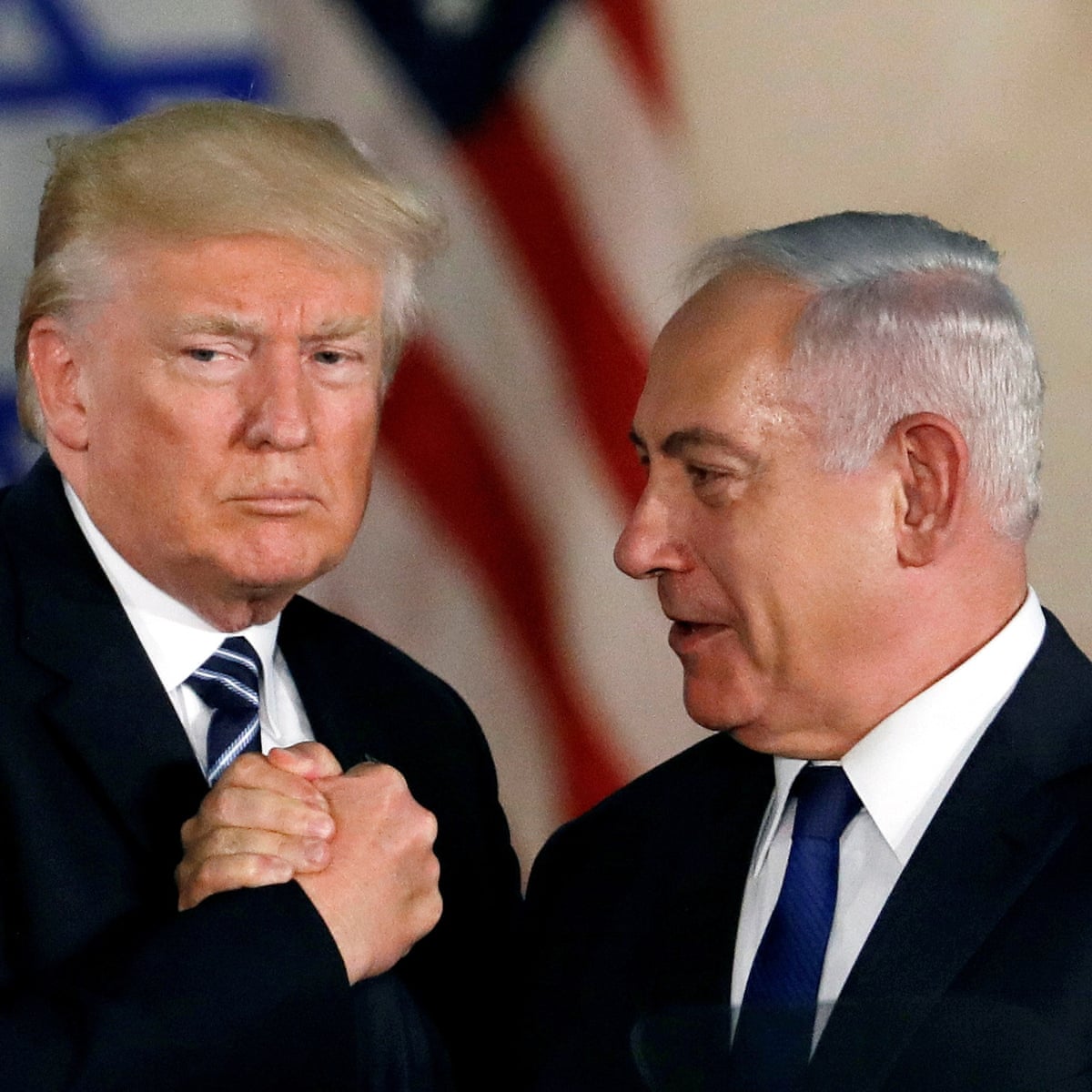
On September 29, 2025, U.S. President Donald Trump and Israeli Prime Minister Benjamin Netanyahu stood side by side at the White House to announce a new American-sponsored peace initiative aimed at halting the war in Gaza.

The plan, described variously as a 20- or 21-point framework, is the most ambitious diplomatic attempt yet to end nearly two years of devastating conflict. It calls for an immediate ceasefire, the release of hostages, the demilitarization of Gaza, and a sweeping reconstruction and governance overhaul.

Trump declared the moment “historic for peace,” insisting that negotiations were “beyond very close.” Netanyahu endorsed the framework, saying it was consistent with Israel’s war aims and could permanently end hostilities. Yet, the announcement came just hours after Israeli forces advanced toward Gaza City, underscoring the fragile backdrop against which diplomacy is unfolding.

The rollout also followed international developments at the UN General Assembly, where multiple countries formally recognized Palestinian statehood—moves Trump denounced as “rewarding Hamas.” Despite this, the U.S. plan has been presented to key Arab and Muslim partners, including Saudi Arabia, Qatar, the UAE, Jordan, and Egypt, all of whom are central to any postwar arrangement.


Key Elements of the U.S. Peace Plan

The framework envisions a phased approach combining de-escalation, humanitarian relief, and long-term political restructuring. Major components include:

Immediate Ceasefire and Withdrawal

  • Hostilities would end immediately if both Israel and Hamas agree.

  • Israeli troops would withdraw to designated lines in preparation for hostage exchanges.

  • Aerial, artillery, and ground operations would freeze, with no Israeli annexation of Gaza.

  • Future withdrawals are tied to verified progress on demilitarization, though Israel would retain a security perimeter.

Hostage and Prisoner Exchanges

  • Hamas must release all hostages—alive and deceased—within 48–72 hours.

  • Israel would release 250 Palestinians serving life sentences and 1,700 detainees arrested since October 7, 2023, including all women and minors.

  • For each Israeli hostage’s remains returned, Israel would repatriate the remains of 15 Palestinians.

Amnesty and Safe Passage for Hamas Members

  • Hamas members who disarm and renounce violence would receive amnesty.

  • Those unwilling to remain in Gaza could leave under international safe-passage guarantees.

  • Hamas and affiliated factions would be permanently excluded from governance.

Demilitarization and Security Guarantees

  • Gaza would be transformed into a “terror-free zone.”

  • All tunnels, weapons stockpiles, and military infrastructure would be dismantled under international supervision.

  • A buy-back and reintegration program, funded by global donors, would absorb disarmed fighters into civilian life.

  • Regional powers would serve as guarantors, ensuring Gaza could not threaten Israel or its neighbors.

Humanitarian Relief and Infrastructure

  • Aid would resume immediately, surpassing levels agreed in earlier 2025 accords.

  • Reconstruction priorities include restoring water, electricity, hospitals, bakeries, and housing.

  • Distribution would be overseen by the UN, Red Crescent, and other neutral actors.

  • The Rafah crossing would reopen under international monitoring.

Transitional Governance

  • Day-to-day governance would fall to a technocratic Palestinian committee.

  • Oversight would rest with a new “Board of Peace,” chaired personally by Trump and including international figures such as former UK Prime Minister Tony Blair.

  • This transitional arrangement would remain until the Palestinian Authority (PA), following reforms, could reassume control. Elections could be held within a year.

Economic Development and Reconstruction

  • Trump’s team envisions a “Marshall Plan for Gaza,” leveraging regional investment and expertise.

  • A special economic zone would offer preferential tariffs and access to global markets.

  • Palestinians would be free to remain or travel, with the plan promising “a better Gaza” built on opportunity, not displacement.

Broader Commitments

  • Israel pledges not to strike Qatar, a critical mediator.

  • Hamas is banned from governance in any capacity.

  • Dialogue channels between Israelis and Palestinians would be institutionalized.


Statements from Leaders

Donald Trump hailed the deal as a path to “greatness in the Middle East.” “Everyone wants to make the deal,” he said, insisting Hamas now faced a choice: accept peace or face destruction. Trump vowed that if Hamas rejects the plan, the U.S. would give Israel “full backing to do what you have to do.”

Benjamin Netanyahu called the plan a pathway to Israel’s objectives—eradicating Hamas and securing Israel’s future. “We prefer the easy way,” he said, “but if Hamas says no, we will finish the job the hard way.” Netanyahu reiterated his opposition to Palestinian statehood, a position Trump respects.


Challenges and Uncertainties

While Israel and several Arab partners reportedly back the plan, Hamas’s official response remains uncertain, though some signals suggest cautious interest. Key obstacles include:

  • Israeli Politics: Netanyahu’s far-right coalition partners favor continuing the war, complicating consensus.

  • Hamas’s Role: The movement may resist disarmament and exclusion from governance.

  • Security Oversight: Disputes persist over whether Palestinian forces or an international mission would police Gaza.

The framework also draws heavily on earlier proposals, including Trump’s 2020 “Deal of the Century” and Franco-Saudi initiatives. Whether this attempt will succeed where others failed remains unclear.


The Saudi-French “New York Declaration”

The Trump-Netanyahu announcement cannot be viewed in isolation. It comes just two months after Saudi Arabia and France unveiled the New York Declaration on the Peaceful Settlement of the Question of Palestine at the UN.

That initiative—endorsed by the EU, Japan, Egypt, and Brazil—lays out a time-bound roadmap to a two-state solution. It calls for:

  • A phased ceasefire and hostage releases.

  • A Palestinian state on 1967 borders with East Jerusalem as its capital.

  • A UN-mandated stabilization force in Gaza.

  • A dedicated international reconstruction fund and conference in Cairo.

French President Emmanuel Macron stressed that dismantling Hamas is “core” to the plan, while Saudi leaders highlighted unprecedented global consensus. Unlike the Trump plan, however, the French-Saudi framework explicitly requires Israeli commitments to a two-state solution and settlement freeze.


The Arab League’s $53 Billion Reconstruction Plan

Earlier in March 2025, the Arab League launched its own comprehensive Plan for Early Recovery, Reconstruction, and Development in Gaza. Backed by all 22 Arab states and costed at $53 billion, the proposal emphasizes:

  • Immediate humanitarian relief and infrastructure repair.

  • Long-term development and employment opportunities.

  • Palestinian self-governance through the PA.

  • Security cooperation with Egypt and Jordan, possibly under UN supervision.

This plan, supported by China, France, and Italy, directly contrasts with Trump’s earlier suggestions of expelling Palestinians and redeveloping Gaza as a “coastal resort.” It underscores a principle absent in Trump’s vision: “Palestinians governing Palestine.”


Outlook

The flurry of overlapping peace blueprints—the U.S. plan, the Saudi-French declaration, and the Arab League framework—illustrates both the urgency and the complexity of ending the Gaza war.

Trump’s announcement has raised hopes of a breakthrough, yet skepticism abounds. Hamas’s acceptance remains the pivotal unknown, while Israel’s internal politics could derail implementation even if Hamas agrees.

For now, the White House ceremony marks a rare moment of optimism in an otherwise bleak conflict. But the coming weeks will reveal whether this is truly, as Trump claimed, a “historic day for peace”—or another stillborn Middle East peace initiative destined for the archives.


ट्रंप और नेतन्याहू ने गाज़ा शांति योजना की घोषणा की, युद्ध के बीच उठी उम्मीदें

ऐतिहासिक परंतु नाज़ुक पहल

29 सितंबर 2025 को व्हाइट हाउस में अमेरिकी राष्ट्रपति डोनाल्ड ट्रंप और इज़राइल के प्रधानमंत्री बेंजामिन नेतन्याहू ने गाज़ा युद्ध समाप्त करने के लिए एक नई अमेरिकी प्रायोजित शांति योजना का ऐलान किया।

यह योजना, जिसे 20 या 21 बिंदुओं का ढांचा बताया जा रहा है, लगभग दो साल से चल रहे भीषण संघर्ष को समाप्त करने का सबसे बड़ा कूटनीतिक प्रयास है। इसमें तत्काल युद्धविराम, बंधकों की रिहाई, गाज़ा का निरस्त्रीकरण और व्यापक पुनर्निर्माण तथा शासन सुधार की व्यवस्था शामिल है।

ट्रंप ने इस पल को "शांति के लिए ऐतिहासिक" बताते हुए कहा कि वार्ताएँ "बेहद निकट" हैं। नेतन्याहू ने इस रूपरेखा को इज़राइल के युद्ध लक्ष्यों के अनुरूप बताया और कहा कि इससे संघर्ष स्थायी रूप से खत्म हो सकता है। हालांकि, यह घोषणा ऐसे समय हुई जब कुछ ही घंटे पहले इज़राइली सेनाएँ गाज़ा सिटी की ओर बढ़ी थीं, जिससे स्थिति की नाज़ुकता साफ झलकती है।

यह पहल उस समय सामने आई जब संयुक्त राष्ट्र महासभा में कई देशों ने फ़िलिस्तीन को मान्यता दी—जिसकी आलोचना ट्रंप ने करते हुए कहा कि यह "हमास को पुरस्कृत करने" जैसा है। इसके बावजूद, इस योजना को सऊदी अरब, क़तर, यूएई, जॉर्डन और मिस्र जैसे अहम अरब और मुस्लिम साझेदारों को प्रस्तुत किया गया है।


अमेरिकी शांति योजना के मुख्य बिंदु

यह ढांचा युद्धविराम, मानवीय राहत और दीर्घकालिक राजनीतिक पुनर्गठन को चरणबद्ध ढंग से लागू करने का प्रस्ताव देता है। प्रमुख घटक इस प्रकार हैं:

तत्काल युद्धविराम और वापसी

  • इज़राइल और हमास के सहमत होते ही युद्ध तुरंत बंद होगा।

  • इज़राइली सैनिक तय लाइनों तक लौटेंगे और बंधकों की रिहाई की तैयारी होगी।

  • हवाई, तोपखाना और ज़मीनी कार्रवाई स्थगित होगी, और गाज़ा पर कब्ज़ा या विलय नहीं होगा।

  • आगे की वापसी निरस्त्रीकरण की प्रगति पर निर्भर होगी, जबकि इज़राइल एक सुरक्षा घेरा बनाए रखेगा।

बंधक और कैदी आदान-प्रदान

  • हमास को 48–72 घंटों में सभी बंधकों (जीवित और मृत) को छोड़ना होगा।

  • बदले में इज़राइल 250 आजीवन कारावास की सज़ा काट रहे कैदियों और 1,700 गाज़ावासियों को रिहा करेगा जिन्हें 7 अक्टूबर 2023 के बाद हिरासत में लिया गया था, जिनमें सभी महिलाएँ और नाबालिग शामिल होंगे।

  • प्रत्येक इज़राइली बंधक के शव के बदले 15 फ़िलिस्तीनियों के शव लौटाए जाएंगे।

हमास सदस्यों के लिए माफी और सुरक्षित मार्ग

  • हथियार छोड़ने और हिंसा त्यागने वाले हमास सदस्यों को माफी मिलेगी।

  • जो गाज़ा छोड़ना चाहते हैं, उन्हें अंतरराष्ट्रीय गारंटी के तहत सुरक्षित निकास मिलेगा।

  • हमास और संबद्ध गुटों को किसी भी रूप में शासन से बाहर रखा जाएगा।

निरस्त्रीकरण और सुरक्षा गारंटी

  • गाज़ा को "आतंक-मुक्त क्षेत्र" बनाया जाएगा।

  • सभी सुरंगें, हथियार भंडार और सैन्य ढाँचे ध्वस्त किए जाएंगे और पुनर्निर्मित नहीं किए जा सकेंगे।

  • अंतरराष्ट्रीय पर्यवेक्षण में हथियारों का निस्तारण, ख़रीद-बिक्री योजना और पुनर्वास कार्यक्रम लागू होगा।

  • क्षेत्रीय शक्तियाँ गारंटर बनेंगी कि गाज़ा पड़ोसियों के लिए ख़तरा न बने।

मानवीय सहायता और आधारभूत ढाँचा

  • सहायता तत्काल फिर से शुरू होगी और 2025 की पूर्व समझौतों से अधिक होगी।

  • पानी, बिजली, अस्पताल, बेकरी और आवास की मरम्मत प्राथमिकता होगी।

  • वितरण संयुक्त राष्ट्र, रेड क्रिसेंट और अन्य निष्पक्ष निकायों द्वारा किया जाएगा।

  • रफ़ाह क्रॉसिंग अंतरराष्ट्रीय निगरानी में फिर से खुलेगा।

अंतरिम शासन

  • दैनिक प्रशासन एक तकनीकी फ़िलिस्तीनी समिति संभालेगी।

  • निगरानी "बोर्ड ऑफ़ पीस" करेगा, जिसकी अध्यक्षता स्वयं ट्रंप करेंगे और जिसमें टोनी ब्लेयर जैसे नेता शामिल होंगे।

  • यह व्यवस्था तब तक चलेगी जब तक फ़िलिस्तीनी प्राधिकरण (PA) सुधारों के बाद नियंत्रण संभालने में सक्षम नहीं हो जाता। एक वर्ष के भीतर चुनाव संभव हैं।

आर्थिक विकास और पुनर्निर्माण

  • ट्रंप की टीम "गाज़ा के लिए मार्शल प्लान" का खाका खींच रही है, जिसमें क्षेत्रीय निवेश और विशेषज्ञता का उपयोग होगा।

  • विशेष आर्थिक क्षेत्र बनाया जाएगा जिसमें व्यापारिक रियायतें होंगी।

  • फ़िलिस्तीनियों को रहने या यात्रा की स्वतंत्रता होगी, और "बेहतर गाज़ा" बनाने के अवसर मिलेंगे।

व्यापक प्रतिबद्धताएँ

  • इज़राइल ने क़तर पर हमला न करने का वादा किया।

  • हमास को शासन से स्थायी रूप से बाहर किया जाएगा।

  • इज़राइल और फ़िलिस्तीन के बीच संवाद को संस्थागत बनाया जाएगा।


नेताओं के बयान

डोनाल्ड ट्रंप ने इस योजना को "मध्य पूर्व की महानता और शांति की ओर मार्ग" बताया। उन्होंने कहा, "हर कोई सौदा करना चाहता है," और चेतावनी दी कि अगर हमास ने योजना ठुकराई तो अमेरिका इज़राइल को "पूरा समर्थन देगा कि आप जो करना चाहें करें।"

बेंजामिन नेतन्याहू ने कहा कि यह योजना इज़राइल के लक्ष्यों को पूरा करती है—हमास का अंत और इज़राइल की सुरक्षा। उन्होंने कहा, "हम आसान रास्ता चाहते हैं, लेकिन अगर हमास ना कहता है, तो हम कठिन रास्ते से काम पूरा करेंगे।" नेतन्याहू ने फ़िलिस्तीनी राज्य का विरोध दोहराया, जिसे ट्रंप भी स्वीकारते हैं।


चुनौतियाँ और अनिश्चितताएँ

हालाँकि इज़राइल और कुछ अरब साझेदार इस योजना का समर्थन करते हैं, हमास की आधिकारिक प्रतिक्रिया अभी अस्पष्ट है। प्रमुख बाधाएँ हैं:

  • इज़राइली राजनीति: नेतन्याहू के दक्षिणपंथी सहयोगी युद्ध जारी रखने के पक्षधर हैं।

  • हमास की भूमिका: संगठन निरस्त्रीकरण और शासन से बहिष्कार को अस्वीकार कर सकता है।

  • सुरक्षा निगरानी: इस पर असहमति है कि गाज़ा में फ़िलिस्तीनी बल तैनात हों या अंतरराष्ट्रीय मिशन।

यह ढांचा ट्रंप की 2020 की "डील ऑफ़ द सेंचुरी" और हालिया फ़्रांसीसी-सऊदी पहलों से प्रभावित है। लेकिन सफलता की संभावना पर संदेह बना हुआ है।


सऊदी-फ़्रांसीसी "न्यूयॉर्क घोषणा"

इस अमेरिकी योजना से दो महीने पहले, सऊदी अरब और फ़्रांस ने संयुक्त राष्ट्र में न्यूयॉर्क घोषणा जारी की।

इस पहल—जिसे यूरोपीय संघ, जापान, मिस्र और ब्राज़ील का समर्थन मिला—में शामिल हैं:

  • चरणबद्ध युद्धविराम और बंधक रिहाई।

  • 1967 की सीमाओं पर पूर्वी यरुशलम को राजधानी बनाकर फ़िलिस्तीन राज्य की स्थापना।

  • गाज़ा में संयुक्त राष्ट्र शांति बल की तैनाती।

  • काहिरा में पुनर्निर्माण सम्मेलन और अंतरराष्ट्रीय कोष।

फ़्रांसीसी राष्ट्रपति इमैनुएल मैक्रों ने कहा कि हमास का विघटन "मुख्य तत्व" है, जबकि सऊदी नेतृत्व ने इसे "वैश्विक सहमति" बताया। यह ढांचा ट्रंप योजना से अलग है क्योंकि यह दो-राज्य समाधान और बस्तियों पर रोक की शर्त रखता है।


अरब लीग की 53 अरब डॉलर की पुनर्निर्माण योजना

मार्च 2025 में अरब लीग ने गाज़ा के लिए प्रारंभिक पुनर्प्राप्ति, पुनर्निर्माण और विकास योजना प्रस्तुत की।

22 अरब देशों की इस 112-पृष्ठीय योजना की लागत 53 अरब डॉलर आँकी गई और इसमें शामिल है:

  • तत्काल मानवीय सहायता और आधारभूत मरम्मत।

  • दीर्घकालिक विकास और रोज़गार सृजन।

  • फ़िलिस्तीनी प्राधिकरण द्वारा शासन।

  • मिस्र और जॉर्डन के सहयोग से सुरक्षा व्यवस्था, संभवतः संयुक्त राष्ट्र की निगरानी में।

चीन, फ़्रांस और इटली ने इसका समर्थन किया। यह योजना ट्रंप के पहले के विवादास्पद विचार—फ़िलिस्तीनियों को निष्कासित कर गाज़ा को “रिसॉर्ट” बनाने—के विपरीत है और इस सिद्धांत पर आधारित है: “फ़िलिस्तीनी फ़िलिस्तीन पर शासन करें।”


आगे की राह

अमेरिकी, सऊदी-फ़्रांसीसी और अरब लीग की तीनों योजनाएँ गाज़ा युद्ध समाप्त करने की जटिलता और तात्कालिकता को दर्शाती हैं।

ट्रंप की घोषणा ने उम्मीदें जगाई हैं, लेकिन शंकाएँ भी गहरी हैं। निर्णायक सवाल यही है कि क्या हमास इस ढांचे को स्वीकार करेगा। इज़राइल की आंतरिक राजनीति भी क्रियान्वयन में बाधा डाल सकती है।

फिलहाल व्हाइट हाउस की यह घोषणा अंधकारमय संघर्ष में आशा की किरण है। आने वाले सप्ताह तय करेंगे कि यह वास्तव में, जैसा ट्रंप ने कहा, "शांति का ऐतिहासिक दिन" है—या फिर मध्य पूर्व शांति प्रयासों का एक और असफल अध्याय।


Monday, August 25, 2025

India, Pakistan, and America’s Blind Spot


India, Pakistan, and America’s Blind Spot

The ongoing tariff war between India and the United States should not be confused with questions about whether Donald Trump “stopped” an India–Pakistan war. Nor does it have anything to do with Ukraine. On the energy front, the facts speak for themselves: China buys more Russian oil than India, Europe buys more Russian LNG, and the United States buys more Russian uranium. The reality is simple—nearly every major power wants Russian energy. To pin the dispute on India’s purchases is misplaced.

The real debate is about economics at home. With mass tariffs and mass deportations, the Trump administration risks pushing the United States into stagflation, a concern voiced by nearly every leading economist—except, perhaps, Peter Navarro, caricatured in The Drum Report: Markets, Tariffs, and the Man in the Basement as the White House economist plotting from a basement office.


The India–Pakistan Paradox

The India–Pakistan flashpoint, however, deserves closer examination. India is in many ways a mirror image of Israel: both face neighbors that openly harbor hostile ideologies against their existence. America’s geopolitical compulsions in dealing with Pakistan can be understood—Washington has long sought to keep Islamabad neutral before striking Iran’s nuclear facilities.

But some actions defy logic. Allowing Pakistan’s Army Chief, General Asim Munir, to issue nuclear threats against India from U.S. soil is one such move. Even worse was the suggestion that Washington might “solve” Kashmir. That is geopolitical illiteracy.

Kashmir, like Gaza, is not fundamentally about land. Iran openly calls for Israel’s destruction. Pakistan’s Gazwa-e-Hind doctrine envisions military conquest of India and the forced conversion of all Indians to Islam. To dismiss this as fantasy is to ignore its repeated invocation by Pakistani leaders and militant groups. When Munir gave an incendiary speech in Queens, New York, and the Pahalgam terror attack followed soon after, the links were too stark to overlook. Pakistan’s state apparatus nurtures and guides terror outfits as virtual extensions of the ISI and Pakistan Army.


How the Ceasefire Happened

Here are the uncontested facts:

  1. Pahalgam happened—a major terror strike.

  2. India retaliated by wiping out roughly a dozen terror camps inside Pakistan and then announced it wanted to end the matter there.

This was an off-ramp offered to Pakistan from the start, but Islamabad rejected it. Later, Pakistan asked Washington for mediation. The U.S. conveyed the message to New Delhi, which reiterated that Pakistan should talk directly to India. Pakistan did, and a ceasefire was agreed.

In other words, India’s willingness for a ceasefire was clear from the beginning. It was not Washington finding middle ground, but rather relaying messages. If the UAE had played that role, the gratitude would have gone to Abu Dhabi.

Meanwhile, JD Vance, days before the ceasefire, publicly stated that India had every right to self-defense and that the conflict was “none of America’s business.” This underscored the U.S.’s ambivalence: it did not proactively broker peace as it is attempting in Ukraine.


A One-Sided War

India’s strikes revealed new realities. New Delhi demonstrated the ability to take control of Pakistani airspace, a shock to Islamabad. In terms of economy and military, Pakistan is dwarfed by India. Like Israel’s later strikes in Iran, India’s actions showed dominance in the skies.

The U.S. did play a role in transmitting messages, but it was India’s initiative and military capacity that shaped the ceasefire.


America’s Blind Spot on Ideology

Where Washington falters is in its blindness to Islamist ideology. Pakistan’s strategic culture mirrors the thinking of Hamas. Contrast this with China: after a single terrorist incident in Beijing, the CCP put a million Uyghurs into detention camps. Yet, Beijing continues to arm Pakistan. The hypocrisy is glaring.

To grasp India’s perspective, America must view Pakistan’s Islamist ideology as India and Israel do: a form of spiritual warfare with real military consequences. Without that clarity, Washington risks repeating errors.

The same spiritual illiteracy clouds U.S. views on China’s Tibet policy. The Dalai Lama’s successor is not chosen by a committee but is believed to be the same soul reborn in a new body. By dismissing this, the CCP reveals its inability to comprehend religious legitimacy—just as the U.S. establishment struggles to understand the ideological underpinnings of Pakistan’s hostility toward India.


The Larger Lesson

India’s decisive response after Pahalgam marked a milestone. It offered de-escalation on its own terms, fought from a position of strength, and revealed Pakistan’s vulnerabilities. No one believes Pakistan’s provocations are over—it is only a matter of time before the cycle repeats.

But the lesson stands: this is not simply territorial conflict. It is spiritual warfare with military implications—India–Pakistan as Iran–Israel. Unless America achieves clarity on this, its policies will remain reactive and inconsistent.


भारत, पाकिस्तान और अमेरिका की अंधी नज़र

भारत और अमेरिका के बीच चल रहा टैरिफ युद्ध इस सवाल से नहीं जुड़ा है कि क्या डोनाल्ड ट्रम्प ने भारत–पाकिस्तान युद्ध को रोका था। और न ही इसका कोई संबंध यूक्रेन से है। ऊर्जा के मोर्चे पर तथ्य साफ़ हैं: चीन भारत से अधिक रूसी तेल खरीदता है, यूरोप भारत से अधिक रूसी एलएनजी खरीदता है, और अमेरिका भारत से अधिक रूसी यूरेनियम खरीदता है। वास्तविकता यह है कि लगभग हर बड़ी शक्ति को रूसी ऊर्जा चाहिए। ऐसे में भारत पर उंगली उठाना बेमानी है।

असल बहस अर्थव्यवस्था की है। बड़े पैमाने पर टैरिफ और बड़े पैमाने पर निर्वासन की ट्रम्प की नीतियाँ अमेरिका को स्टैगफ्लेशन (मुद्रास्फीति और ठहराव) की ओर धकेल रही हैं। लगभग हर अग्रणी अर्थशास्त्री इस खतरे की ओर इशारा कर चुका है—सिवाय पीटर नवारो के, जिन्हें The Drum Report: Markets, Tariffs, and the Man in the Basement में व्हाइट हाउस के बेसमेंट में बैठे एक कार्टूननुमा अर्थशास्त्री के रूप में दिखाया गया है।


भारत–पाकिस्तान का विरोधाभास

भारत–पाकिस्तान का टकराव एक गहरी समीक्षा की मांग करता है। भारत कई मायनों में इस्राइल का प्रतिबिंब है: दोनों को ऐसे पड़ोसी मिले हैं जो उनकी मौजूदगी के खिलाफ शत्रुतापूर्ण विचारधाराएँ पालते हैं। अमेरिका की भूराजनैतिक मजबूरियाँ समझ में आती हैं—वॉशिंगटन ईरान की परमाणु सुविधाओं पर हमला करने से पहले हमेशा चाहता था कि पाकिस्तान तटस्थ बना रहे।

लेकिन कुछ कार्रवाइयाँ समझ से परे हैं। अमेरिकी ज़मीन से पाकिस्तान के सेना प्रमुख जनरल असीम मुनीर को भारत के खिलाफ परमाणु धमकियाँ देने की अनुमति देना इनमें से एक है। इससे भी बुरा था यह सुझाव कि वॉशिंगटन “कश्मीर का समाधान” करेगा। यह भूराजनैतिक निरक्षरता है।

कश्मीर, ठीक वैसे ही जैसे ग़ाज़ा, भूमि का मुद्दा नहीं है। ईरान खुलेआम इस्राइल के विनाश की बात करता है। पाकिस्तान का “ग़ज़वा-ए-हिंद” सिद्धांत भारत के सैन्य विजय और सभी भारतीयों के ज़बरन इस्लाम में धर्मांतरण की कल्पना करता है। इसे महज़ कल्पना कहना वास्तविकता से आँख मूँदने जैसा है। जब मुनीर ने क्वींस, न्यूयॉर्क में एक भड़काऊ भाषण दिया और उसके कुछ ही समय बाद पहलगाम हमला हुआ, तो कड़ियाँ बहुत साफ़ थीं। पाकिस्तान की राज्य मशीनरी आतंकवादी संगठनों को पालती-पोसती और आईएसआई व सेना की “विशेष बल” की तरह उपयोग करती है।


युद्धविराम कैसे हुआ

अविवादित तथ्य ये हैं:

  1. पहलगाम हमला हुआ—एक बड़ा आतंकी वारदात।

  2. भारत ने जवाबी हमला किया—पाकिस्तान के भीतर दर्जन भर आतंकी शिविरों को नष्ट किया और घोषणा की कि मामला यहीं खत्म करना चाहता है।

यह शुरुआत से ही पाकिस्तान के लिए एक “ऑफ-रैम्प” (बाहर निकलने का रास्ता) था, लेकिन इस्लामाबाद ने उसे ठुकरा दिया। बाद में पाकिस्तान ने वॉशिंगटन से मध्यस्थता की मांग की। अमेरिका ने संदेश भारत तक पहुँचाया, और भारत ने कहा कि पाकिस्तान सीधे भारत से बात करे। पाकिस्तान ने बात की और युद्धविराम हो गया।

इसका मतलब यह है कि भारत की युद्धविराम की इच्छा शुरू से ही स्पष्ट थी। यह वॉशिंगटन का मध्य मार्ग खोज निकालना नहीं था, बल्कि संदेशों को आगे-पीछे पहुँचाना था। अगर यह भूमिका यूएई ने निभाई होती तो धन्यवाद यूएई को जाता।

इस बीच, युद्धविराम से एक दिन पहले, जे.डी. वेंस ने सार्वजनिक रूप से कहा कि भारत को आत्मरक्षा का पूरा अधिकार है और यह संघर्ष “अमेरिका का मामला नहीं” है। इससे अमेरिका की दोहरी स्थिति उजागर हुई: उसने सक्रिय मध्यस्थता नहीं की, जैसा कि वह यूक्रेन में करने की कोशिश कर रहा है।


एकतरफ़ा युद्ध

भारत की कार्रवाइयों ने नई वास्तविकताएँ उजागर कर दीं। नई दिल्ली ने पाकिस्तान का हवाई क्षेत्र नियंत्रित करने की क्षमता दिखा दी, जो इस्लामाबाद के लिए चौंकाने वाला था। अर्थव्यवस्था और सेना दोनों ही मामलों में पाकिस्तान भारत की तुलना में बहुत छोटा है। जैसे बाद में इस्राइल ने ईरान में हवाई प्रभुत्व दिखाया, वैसे ही भारत ने आसमान में अपना दबदबा साबित किया।

अमेरिका ने संदेश पहुँचाने की भूमिका निभाई, लेकिन युद्धविराम का मार्ग भारत की पहल और सैन्य क्षमता से बना।


विचारधारा पर अमेरिका की अंधी नज़र

जहाँ वॉशिंगटन चूकता है, वह है इस्लामवादी विचारधारा को न समझ पाना। पाकिस्तान की रणनीतिक सोच हमास जैसी है। तुलना कीजिए चीन से: बीजिंग में एक मामूली आतंकी घटना के बाद, सीसीपी ने एक मिलियन उइगरों को हिरासत शिविरों में डाल दिया। फिर भी वही चीन पाकिस्तान को हथियारों से लैस करता है। यह पाखंड स्पष्ट है।

भारत के दृष्टिकोण को समझने के लिए अमेरिका को पाकिस्तान की इस्लामवादी विचारधारा को उसी तरह देखना होगा, जैसे भारत और इस्राइल देखते हैं: एक आध्यात्मिक युद्ध, जिसके वास्तविक सैन्य परिणाम होते हैं। जब तक यह स्पष्टता नहीं आती, अमेरिकी नीतियाँ प्रतिक्रियात्मक और असंगत ही रहेंगी।

इसी तरह की आध्यात्मिक निरक्षरता अमेरिका की तिब्बत पर चीन की नीति को समझने में भी दिखाई देती है। दलाई लामा का उत्तराधिकारी किसी समिति द्वारा नहीं चुना जाता बल्कि माना जाता है कि वही आत्मा नए शरीर में जन्म लेती है। इसे खारिज करके सीसीपी धार्मिक वैधता को न समझ पाने का प्रमाण देती है—ठीक वैसे ही जैसे अमेरिकी प्रतिष्ठान पाकिस्तान की शत्रुतापूर्ण विचारधारा को समझने में विफल रहता है।


बड़ा सबक

पहलगाम के बाद भारत की निर्णायक प्रतिक्रिया एक मील का पत्थर थी। भारत ने अपनी शर्तों पर तनाव कम करने का प्रस्ताव दिया, ताक़त की स्थिति से लड़ा, और पाकिस्तान की कमज़ोरियाँ उजागर कीं। कोई यह नहीं मानता कि पाकिस्तान की शरारतें बंद हो जाएँगी—यह सिर्फ़ समय की बात है कि चक्र दोबारा दोहराया जाएगा।

लेकिन सबक स्पष्ट है: यह केवल क्षेत्रीय विवाद नहीं है। यह एक आध्यात्मिक युद्ध है जिसके सैन्य नतीजे होते हैं—भारत–पाकिस्तान वही है जो ईरान–इस्राइल है। जब तक अमेरिका इस सच्चाई को नहीं समझेगा, उसकी नीतियाँ ग़लतियाँ दोहराती रहेंगी।


Saturday, July 05, 2025

Martial Law In The US: The Possibilities


The U.S. Constitution does not explicitly mention martial law, but certain provisions provide a legal foundation for its potential use under extraordinary circumstances. Notably, the Suspension Clause (Article I, Section 9, Clause 2) allows Congress to suspend the writ of habeas corpus “when in Cases of Rebellion or Invasion the public Safety may require it.” Combined with the President’s powers as Commander-in-Chief (Article II, Section 2), this forms the constitutional basis for declaring martial law in times of extreme crisis, typically involving severe threats to public safety or national security.

Martial law refers to the replacement or override of civilian authority by military control, often involving the suspension of certain civil liberties such as freedom of movement, speech, and protection against unlawful detention.

Historical Precedents of Martial Law in the United States:

  • War of 1812: General Andrew Jackson imposed martial law in New Orleans in 1814 to defend against the British. He suspended habeas corpus, censored newspapers, and detained civilians under military authority.

  • Civil War: President Abraham Lincoln suspended habeas corpus in select regions to combat Confederate rebellion, particularly in border states. This led to the landmark Supreme Court case Ex parte Milligan (1866), which ruled that martial law cannot be imposed where civilian courts are open and operational.

  • World War II – Hawaii: After the Pearl Harbor attack in 1941, martial law was declared in the Territory of Hawaii, replacing civilian courts with military tribunals. It remained in effect until 1944, sparking later legal scrutiny and criticism for civil rights violations.

  • Localized Events: Martial law has occasionally been declared at the state or city level in response to natural disasters, labor unrest, or riots—such as in San Francisco after the 1906 earthquake, or during the 1934 West Coast waterfront strike.

Martial Law in a Hypothetical World War III Scenario:

In the event of World War III, particularly if the U.S. homeland were directly attacked or if key civilian infrastructure were incapacitated, martial law could be declared as a last resort. The President, acting under emergency powers or with congressional authorization, could impose martial law to restore order or defend national security.

The Insurrection Act of 1807 grants the President the authority to deploy military forces domestically to suppress insurrections, enforce federal law, or quell civil unrest. While not the same as martial law, its use can resemble it in practice, especially if civilian governance is temporarily displaced by military oversight.

Although courts have historically granted broad leeway to the executive during national emergencies, such as wartime, they have also emphasized the restoration of constitutional norms afterward. Ex parte Milligan, for example, reaffirmed the supremacy of civilian law when the immediate threat had passed.

Martial Law and the Possibility of a Third Presidential Term:

If a sitting president were to openly discuss seeking an unconstitutional third term, the invocation of martial law during wartime would raise serious constitutional and democratic concerns. The 22nd Amendment clearly limits U.S. presidents to two elected terms. Circumventing this limit would require:

  • A constitutional amendment (an arduous and time-consuming process requiring supermajority support), or

  • A constitutional crisis, potentially involving executive overreach, civil unrest, or national emergency.

A president attempting to exploit a war or emergency to extend their hold on power would likely face multiple institutional checks:

  • Congress: Holds power over funding, oversight, and the regulation of emergency powers. It can legislate to rein in executive excesses or initiate impeachment if necessary.

  • Courts: The judiciary, as in Youngstown Sheet & Tube Co. v. Sawyer (1952), has struck down unconstitutional uses of executive power, affirming that the president cannot act unilaterally in defiance of the law.

  • The Military and State Governments: The U.S. military is bound by an oath to the Constitution, not to any individual leader. A president attempting to use the military for unconstitutional purposes would likely meet institutional resistance. Governors, legislatures, and law enforcement across states would also play a role in defending constitutional order.

  • Public Resistance: Widespread public opposition, media scrutiny, mass protests, and civil society pushback would severely undermine any attempt to use martial law for authoritarian ends.

Could a President Provoke War to Justify Martial Law?

While theoretically possible, the idea that a president might intentionally provoke war to justify martial law and remain in office is highly speculative and deeply troubling. More importantly, it is politically, legally, and strategically impractical for several reasons:

  • War carries catastrophic consequences—including massive loss of life, economic collapse, and global instability.

  • Domestic backlash would be swift and severe, including likely congressional investigations, judicial injunctions, and public revolt.

  • International condemnation and loss of alliances would further isolate the administration and damage U.S. global standing.

  • The gamble would likely fail: Even if martial law were imposed, maintaining power beyond two terms would face insurmountable legal hurdles and risk tearing apart the democratic fabric of the nation.

Conclusion:

Martial law in the U.S. is a tool of last resort, meant only for truly existential threats such as invasion, civil war, or large-scale collapse of civil authority. While past uses have been limited and often controversial, constitutional safeguards, judicial precedent, and the resilience of American civil institutions serve as strong bulwarks against abuse.

The notion of using war or martial law as a path to a third presidential term, while hypothetically possible in a legal vacuum, is constitutionally indefensible, politically toxic, and logistically unworkable. The checks and balances built into the U.S. system, along with the vigilance of its people, remain the best defense against any attempt to subvert democratic norms—even in wartime.


Impact of 2026 Midterm Losses on 2028 and Beyond

If major inflation—triggered by trade disruptions from tariff wars—and an unpopular piece of legislation (mockingly dubbed the “Big, Beautiful Bill”) lead to a significant drop in the president’s approval ratings, the 2026 midterms could result in Democrats regaining control of both the House and Senate. Such a shift would dramatically alter the political landscape:

  • Legislative Gridlock: A Democratic Congress would likely obstruct the president’s agenda, refusing to pass key initiatives. If inflation and economic strain continue, public frustration could deepen, further damaging the governing party’s image heading into 2028.

  • 2028 Presidential Election: The president’s party would enter the race at a disadvantage. With the incumbent term-limited by the 22nd Amendment, a new Republican nominee would face the challenge of distancing themselves from a damaged brand. Meanwhile, a Democratic Congress could intensify investigations, issue subpoenas, or even initiate impeachment proceedings (if warranted), further undermining the administration’s influence. The political momentum could clearly swing toward Democrats in the presidential contest.

  • Long-Term Effects: If Democrats maintain congressional control beyond 2028, they could implement major legislative reforms—on taxation, climate policy, healthcare, or voting rights. However, if they fail to manage inflation or economic discontent, the door could open for a populist Republican resurgence by 2030. Voter backlash, especially if perceived economic relief is lacking, remains a persistent risk.


The Third-Term Question and a Democratic Congress

A third presidential term for a Republican president would be constitutionally prohibited by the 22nd Amendment, which clearly limits U.S. presidents to two elected terms. Any effort to overturn or circumvent this limit would require a constitutional amendment—a process demanding a two-thirds majority in both houses of Congress and ratification by three-fourths of state legislatures. Given current partisan divides, this is politically and procedurally implausible.

If Democrats regain control of Congress in 2026, they would:

  • Firmly Reject Any Third-Term Attempts: Any proposal—whether legislative, rhetorical, or symbolic—aimed at extending a president’s time in office would be dead on arrival. Democrats would frame such moves as authoritarian and use them to galvanize their base.

  • Increase Oversight and Legal Action: Expect congressional investigations into executive overreach and aggressive legal challenges to any attempt to manipulate constitutional norms. This could include litigation in federal courts, appeals to the Supreme Court, and state-level resistance.

  • Dominate the Narrative: Democrats would likely seize the media narrative, emphasizing the sanctity of term limits and painting the president’s maneuvering as a threat to American democracy. Public opinion could quickly turn hostile to any third-term ambitions.

Even with unified Republican control of Congress, removing the 22nd Amendment would remain nearly impossible without overwhelming bipartisan support—something exceedingly unlikely in today’s polarized political environment. A Democratic Congress makes the idea categorically unviable.


Martial Law in This Political Context

Martial law—the imposition of direct military control over normal civilian functions—requires extraordinary justification, such as invasion, rebellion, or complete societal collapse. It has never been used to extend presidential terms or cancel elections.

In this context:

  • Democratic Resistance: A Democrat-controlled Congress would oppose any move toward martial law unless tied to a clear, nationally recognized emergency. If used pretextually (e.g., to postpone elections or suppress dissent), the opposition response would be swift and intense.

  • Congressional Power of the Purse: Congress could cut off funding to the Department of Defense or limit the use of federal troops in domestic operations through legislation such as the Posse Comitatus Act or budgetary restrictions.

  • Judicial Oversight: The courts, particularly the Supreme Court, have historically pushed back against unjustified uses of martial law. In Ex parte Milligan (1866), the Court ruled that martial law cannot override civilian courts where they are functioning. Any extended use of martial law to suspend democratic processes would almost certainly be ruled unconstitutional.

  • Institutional and Public Backlash: Prolonged or unjustified martial law would prompt widespread institutional resistance—from state governments, military leadership, civil society, and the media. Protests and legal challenges would likely erupt across the country.

In theory, martial law might delay elections temporarily in extreme emergencies. But using it to extend a presidency would encounter massive legal, political, and societal resistance. The U.S. system is designed to ensure constitutional continuity, and a Democratic Congress would act as a firewall against abuse.


U.S. Elections During Wartime: A Historical Pattern of Continuity

The United States has a strong tradition of holding elections during wartime, reaffirming its commitment to democracy even under duress:

  • Civil War (1864): Amidst a brutal and ongoing conflict, President Abraham Lincoln insisted on holding national elections. Union soldiers voted from the front lines, and Lincoln was re-elected despite pressure to suspend the vote.

  • World War I (1918): Despite a global conflict, the U.S. held midterm elections, which resulted in Republicans taking control of Congress.

  • World War II (1944): Elections were held on schedule. President Franklin D. Roosevelt was re-elected to a fourth term, but not through any manipulation of the process.

These precedents reinforce that war is not a valid excuse to suspend elections, and martial law has never been used to cancel a national vote. Any such attempt would contradict both historical precedent and constitutional principle.


Conclusion

If the president’s unpopularity in 2026 results in a Democratic takeover of Congress, the administration would face a legislative blockade, and efforts to extend power—such as seeking a third term or imposing martial law—would encounter near-insurmountable barriers. The U.S. Constitution, the courts, Congress, and the public provide layered safeguards against authoritarian drift.

While crises can challenge democratic systems, the American system has proven resilient. A Democratic Congress in this scenario would act as both a check and a rallying point for the defense of democratic norms and the constitutional order.


Could World War III Prevent U.S. Elections?

A scenario in which World War III prevents the United States from holding elections would require an unprecedented level of national disruption—far exceeding the challenges of the Civil War, World Wars I and II, or 9/11. Historically, the U.S. has maintained electoral continuity through war, depression, and disaster. Therefore, the bar to cancel or indefinitely postpone national elections is extraordinarily high.

Still, in a worst-case scenario, the combination of advanced warfare, cyberattacks, and societal collapse could theoretically make holding elections impossible. Below is a breakdown of what such a scenario might entail.


Worst-Case Scenario to Prevent U.S. Elections

  1. Massive Physical Destruction of Infrastructure

    • Direct Attacks on U.S. Soil: Sustained strikes on major population centers—using nuclear weapons, hypersonic missiles, or electromagnetic pulse (EMP) attacks—could destroy power grids, transportation, communication systems, and election equipment.

    • Impact: Without functioning polling stations, voter registration systems, or ballot tabulation infrastructure, it may become physically impossible to conduct elections in multiple states. If cities like New York, Los Angeles, Chicago, and Washington D.C. are rendered uninhabitable or unreachable, national election logistics could collapse.

  2. Crippling Cyberattacks on Electoral Systems

    • Digital Paralysis: A state-sponsored cyberattack could wipe out or corrupt voter databases, election management systems, and result certification platforms. If these attacks are combined with disinformation campaigns and data loss, public trust in the legitimacy of the election could collapse.

    • Impact: Even with paper backups, the inability to verify voter eligibility or transmit results could render elections unmanageable or untrustworthy, particularly in contested battleground states.

  3. Martial Law and Civil Collapse

    • National Emergency: If external attacks (e.g., biological or chemical weapons) trigger internal unrest—mass protests, looting, civil war-like conditions—martial law could be declared to restore order.

    • Impact: Prolonged military control could suspend civil functions, including elections, especially if state governments break down, election workers cannot safely operate, or displaced populations cannot vote.

  4. Mass Population Displacement or Casualties

    • Refugee Crisis or Large-Scale Deaths: Nuclear or chemical attacks could kill or displace tens of millions. If large swaths of the population flee cities or reside in refugee zones, maintaining voter rolls, issuing ballots, and ensuring access to polling becomes infeasible.

    • Impact: If tens of millions of eligible voters are incapacitated, displaced, or unreachable, national elections could be deemed unrepresentative or invalid.

  5. Collapse of Federal and State Authority

    • Targeted Decapitation of Governance: Simultaneous attacks on Washington, D.C., key military installations, and state capitals could paralyze all three branches of government. If Congress, the Supreme Court, and the Federal Election Commission are incapacitated, there may be no legal or logistical authority to run elections.

    • Impact: Without a functioning federal structure, there would be no mechanism to qualify candidates, coordinate ballots, or validate outcomes.


Legal Threshold for Suspending Elections

U.S. elections are legally and constitutionally protected:

  • Presidential elections are mandated by Article II, Section 1 of the Constitution, with Congress setting the date (2 U.S.C. § 7) as the first Tuesday after the first Monday in November every four years.

  • Postponing or canceling elections would require either:

    • A constitutional amendment,

    • Invocation of emergency powers so extraordinary that normal legal processes are inoperative, or

    • Total collapse of civil governance, making legal compliance impossible.

Even localized disasters (e.g., hurricanes, earthquakes, terrorist attacks) have never halted national elections. Thus, only sustained, nationwide disruption would meet the threshold for suspension.


Near-Future Considerations (2028 and Beyond)

By 2028, several emerging technologies and vulnerabilities increase the risk that elections could be disrupted:

  • AI-Driven Cyber Warfare: Machine-generated attacks could simultaneously compromise voter databases, social media narratives, and government infrastructure.

  • Hypersonic and Directed-Energy Weapons: These could deliver rapid and precise destruction of election hubs before defense systems can respond.

  • Economic and Climate Stress: Pre-existing economic fragility (e.g., tariff-induced inflation, debt crises) and climate-driven disasters could reduce national resilience, compounding the chaos of war.

That said, the U.S. has several layers of resilience:

  • Decentralized Electoral System: Each state runs its own elections, making nationwide sabotage harder.

  • Paper Ballots and Redundancy: Many states have paper backups, manual recount protocols, and chain-of-custody procedures.

  • Continuity of Government Plans: The U.S. military and executive branch maintain contingency operations to preserve leadership during crises.

  • Public Expectation: Americans have historically insisted on democratic continuity. Voter turnout during war, depression, and pandemics has often remained high.


Would Martial Law Enable a Third Term?

Even in a wartime emergency, martial law would not automatically permit a third presidential term:

  • The 22nd Amendment clearly prohibits any person from being elected president more than twice.

  • A national emergency does not nullify the Constitution. Even under martial law, legal structures—courts, Congress, and state legislatures—continue to exist unless obliterated.

  • A Democratic Congress (per the 2026 midterm loss scenario) would actively oppose any third-term ambitions, launching investigations, legislation, or even impeachment proceedings if necessary.

  • The military, sworn to uphold the Constitution, is unlikely to support unconstitutional extensions of power—especially in the absence of full-scale national collapse.

Any president attempting to exploit a global conflict to extend their term would likely face severe legal, political, and public opposition. Provoking war for personal power would be reckless, morally abhorrent, and politically suicidal.


How Bad Would It Have to Be?

For elections to be canceled or rendered impossible, all the following conditions would likely need to occur:

  • Physical Devastation: Nationwide destruction of polling stations, power grids, servers, and election offices.

  • Loss of Voter Base: Tens of millions dead, displaced, or unable to access voting mechanisms.

  • Collapse of Governance: Federal and state governments unable to coordinate or certify an election.

  • No Recovery Window: Crisis persists from months leading up to the election through the November voting deadline.

This implies a near-apocalyptic scenario: full-scale nuclear war, global cyberwarfare, or a combination of WMDs and EMPs causing sustained, unrecoverable societal collapse.


Conclusion

While a World War III scenario could theoretically prevent U.S. elections, it would require devastation on a scale never experienced in American history. Even then, constitutional protections, state-run electoral systems, military continuity plans, and public commitment to democracy would act as powerful safeguards.

The United States has held elections through civil war, global war, economic depression, and pandemic. Any attempt to suspend or manipulate elections for personal power would face immense resistance unless the entire constitutional order collapses—an outcome that remains extremely unlikely given America's layered resilience.


Could a Scriptural “Final War” in the Middle East Prevent U.S. Elections?

Our question references religious prophecies about a final war, likely drawing from apocalyptic scriptures such as the Bible and Islamic eschatology, particularly in relation to a conflict centered in the Middle East. This also ties into your prior concerns about how such a war might disrupt U.S. elections or be exploited for unconstitutional power grabs, such as a third presidential term.

This response will address the scriptural basis for a final war, explore whether a modern conflict in the Middle East could realistically prevent U.S. elections, and examine the legal and political consequences if such a scenario were used to justify martial law or term extension.


Scriptural References to a Final War in the Middle East

Many religious traditions contain end-times prophecies that describe a climactic battle, often situated in or around the Middle East. These visions vary widely in interpretation, but several commonly cited sources include:

  • Christian Eschatology:

    • Revelation 16:16: Refers to the battle of Armageddon, named after Har Megiddo, a real location in northern Israel. It is depicted as the final battle between the forces of good and evil, involving global powers but centered in the Holy Land.

    • Ezekiel 38–39: Describes a war led by Gog of Magog against Israel, often interpreted as a coalition including Persia (modern Iran), Turkey, and others. Some interpret this as a prophecy of a massive future war.

    • Daniel 11: Outlines complex geopolitical conflicts between the “King of the North” and “King of the South,” interpreted by some as symbolic of modern-day regional or global powers.

  • Islamic Eschatology:

    • Certain Hadith traditions describe a final battle involving the Mahdi and Dajjal (the Islamic Antichrist), unfolding in regions like Syria, Iraq, and Jerusalem.

    • Some interpretations parallel Christian narratives, emphasizing global conflict and divine intervention.

  • Jewish Eschatology:

    • Jewish messianic thought often anticipates a period of conflict preceding the Messianic Age, though details about a singular “final war” are more ambiguous compared to Christian or Islamic texts.

Note: Interpretations vary widely. Many scholars and religious leaders consider these prophecies to be symbolic, allegorical, or already fulfilled in past historical events (e.g., Roman conquests, Crusades). Others believe they refer to literal future events that may align with geopolitical developments in the Middle East.


Could a Middle East War Prevent U.S. Elections?

For a conflict localized to the Middle East to prevent U.S. elections, it would need to escalate into a full-scale global crisis directly affecting U.S. infrastructure, governance, and public safety. Here's how this might theoretically unfold—and why it's highly unlikely to meet the extreme conditions required.

Escalation Scenarios

  1. Globalization of the Conflict

    • A war involving Israel, Iran, Hezbollah, or other actors could draw in the United States and possibly other powers such as Russia or China. Escalation might occur via:

      • Iranian attacks on U.S. bases or shipping routes.

      • U.S. intervention in defense of Israel.

      • Russian or Chinese military responses, particularly if they are treaty-bound or ideologically aligned.

    • Impact: Even if the U.S. becomes heavily involved, past wars (e.g., Iraq, Afghanistan) show that overseas conflicts rarely disrupt U.S. elections unless they reach the homeland.

  2. Disruption of Global Resources

    • The Persian Gulf and Strait of Hormuz are critical for global oil supply. A regional war could trigger global oil shocks, worsen inflation, and disrupt economies.

    • Impact: Economic strain could affect domestic politics and public mood, but would not disable voting systems.

  3. Cyber or Asymmetric Attacks

    • State or non-state actors could launch cyberattacks against U.S. election infrastructure, power grids, or internet backbones.

    • Impact: Cyber disruptions could hinder election logistics but would need to be sustained, nationwide, and coordinated. Even in 2016, with Russian interference, elections proceeded.

  4. Nuclear or WMD Use

    • A catastrophic scenario might involve the use of nuclear weapons, particularly by or against Iran or Israel.

    • Impact: Fallout and economic disruption would be global. But unless the U.S. itself is attacked (e.g., via ICBMs or smuggled WMDs), elections would likely continue.

  5. Domestic Fallout

    • A Middle East war could inflame tensions at home, such as protests, anti-Muslim or anti-Semitic violence, or terrorist retaliation.

    • Impact: Widespread unrest would be destabilizing, but historical precedent (e.g., Vietnam War protests, post-9/11 period) shows elections still proceed during domestic strife.


Why a Middle East War Is Unlikely to Halt U.S. Elections

  • Geographic Distance: The U.S. is thousands of miles from most Middle Eastern theaters. Military bases might be targeted, but the homeland is shielded from direct conflict unless global powers escalate.

  • Historical Resilience: U.S. elections were held during:

    • The Civil War (1864).

    • World War I (1918).

    • World War II (1944).

    • Even post-9/11 elections continued without disruption.

  • Decentralized Election Systems: Each of the 50 states administers its own elections. To halt a presidential election, adversaries would need to cripple election infrastructure in all 50 states simultaneously—logistically improbable.

  • Emergency Protocols: The U.S. has adapted elections to crises before, using mail-in ballots, extended early voting, and contingency planning to ensure elections happen.


Threshold to Disrupt U.S. Elections

Preventing an election would require apocalyptic conditions, including:

  • Widespread physical destruction of polling stations, networks, and databases.

  • Mass casualties or displacement, affecting tens of millions.

  • Total breakdown of federal and state authority to the point where no entity can certify or organize an election.

  • Prolonged crisis with no pathway to recovery before a constitutionally mandated election date (e.g., November 2028).

A Middle East war—however severe—would need to escalate into full-scale global warfare involving nuclear exchange, cyber-induced collapse, and massive domestic unrest to meet these criteria.


Third-Term and Martial Law in This Context

As raised in your previous questions, would a U.S. president use such a war to pursue a third term or impose martial law?

  • Martial Law:

    • Martial law can be declared under extreme conditions (e.g., invasion, rebellion, government collapse).

    • A regional Middle East war—unless it results in direct attacks on U.S. soil—is unlikely to justify such a step.

    • Congress and courts, especially a Democratic-controlled Congress, would resist or investigate any unjustified imposition of martial law.

  • Third Term:

    • The 22nd Amendment prohibits more than two presidential terms.

    • War or martial law does not override constitutional limits.

    • A third term would require a constitutional amendment, needing two-thirds of Congress and ratification by three-fourths of states—a political impossibility given current divides.

    • Any attempt to extend presidential power would likely be met with court challenges, media outcry, and possibly mass protests.

  • Incentive to Provoke War?

    • Using war to extend power would be a high-risk, low-reward gamble.

    • The U.S. system has too many institutional checks—courts, Congress, military leadership, states, and civil society—to allow such a power grab without total collapse of constitutional governance.


Scriptural Prophecy vs. Political Reality

  • While religious scriptures may speak of Armageddon, Gog and Magog, or the Mahdi, most scholars caution against linking these prophecies directly to modern political events.

  • Prophecies are often symbolic, open to interpretation, and not bound to literal timelines or geographies.

  • A war that appears to align with prophecy may stir public fear or religious commentary, but that doesn’t guarantee it will fulfill specific predictions—or impact U.S. democracy in concrete terms.


Conclusion

A “final war” in the Middle East, as described in scripture, may trigger significant global disruption, but preventing U.S. elections would require far more: nationwide devastation, government collapse, or total system failure. These thresholds have never been met, even during world wars.

The decentralized nature of the U.S. electoral system, legal constraints on presidential terms, and the robust history of electoral resilience make election cancellation highly improbable—even under extreme global stress.

Attempts to exploit such a war for unconstitutional power extension would face fierce legal, political, and institutional resistance, especially under a Congress controlled by the opposition.

Bottom line: Scripture may inspire symbolic interpretations of war, but U.S. elections depend on real-world infrastructure, law, and governance. Until those collapse, democracy remains operative.