The Jews famously rejected Jesus 2,000 years ago (and every year since) saying the Messiah they had been waiting for, Jesus was not it. That rejection was scripture based. The Book Of Isaiah clearly describes that Messiah: one king for all earth who takes peace and prosperity to every corner of earth. Like a rabbi said recently: "I look outside my window, and I don't see the abundance."
Jesus, through the most famous of all Christian prayers, the Lord's Prayer, points all Christians to that same Messiah: Yahweh in human incarnation. The prayer asks God to come become king of earth.
But the Jews don't know the Messiah they wait for is to be Yahweh in human incarnation. That is why you compare notes with each other. The Jews and the Christians need to communicate. If they did, they would realize the Messiah is not going to be born in the line of David. Because that particular prophecy already got fulfilled in Jesus.
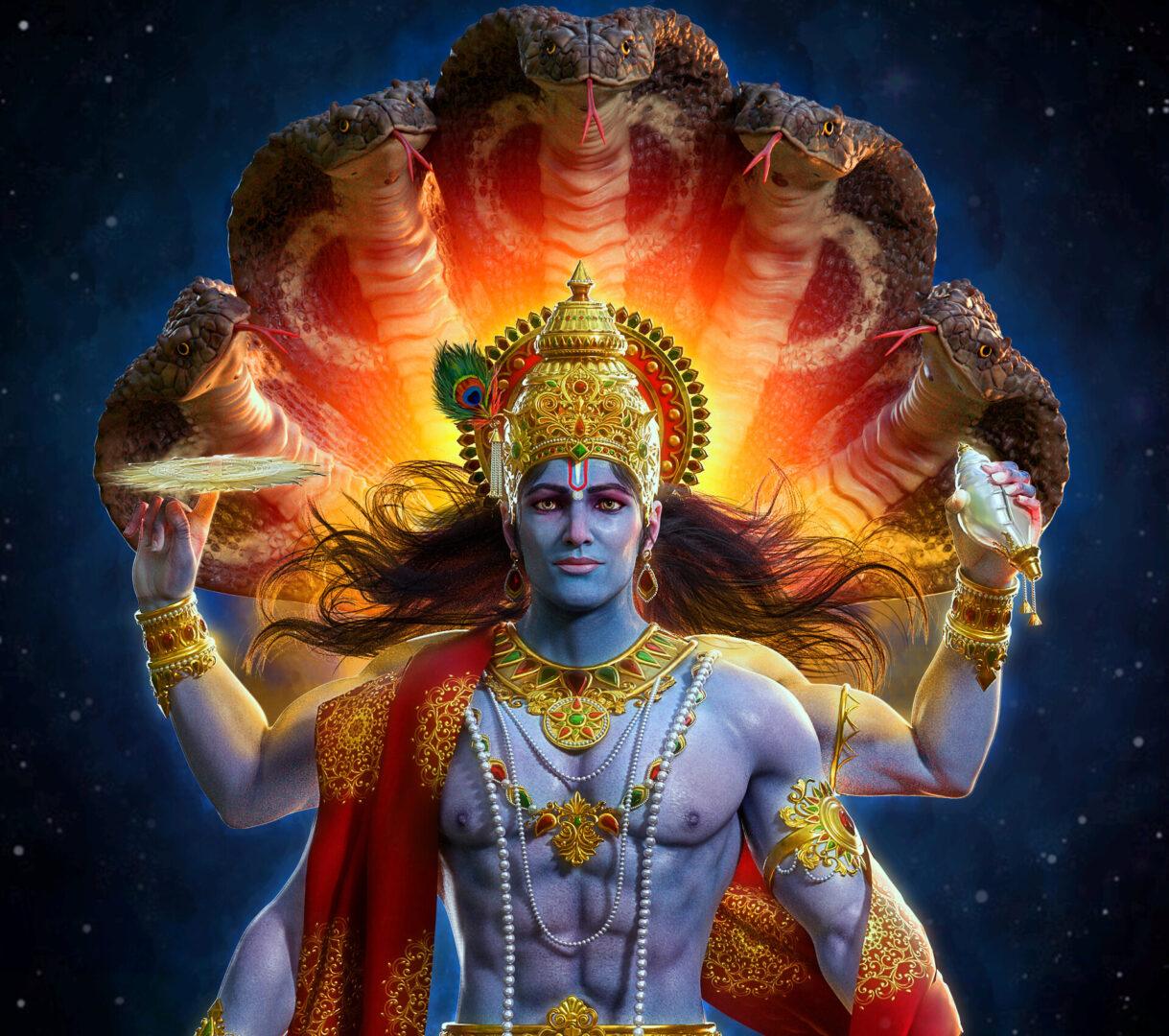
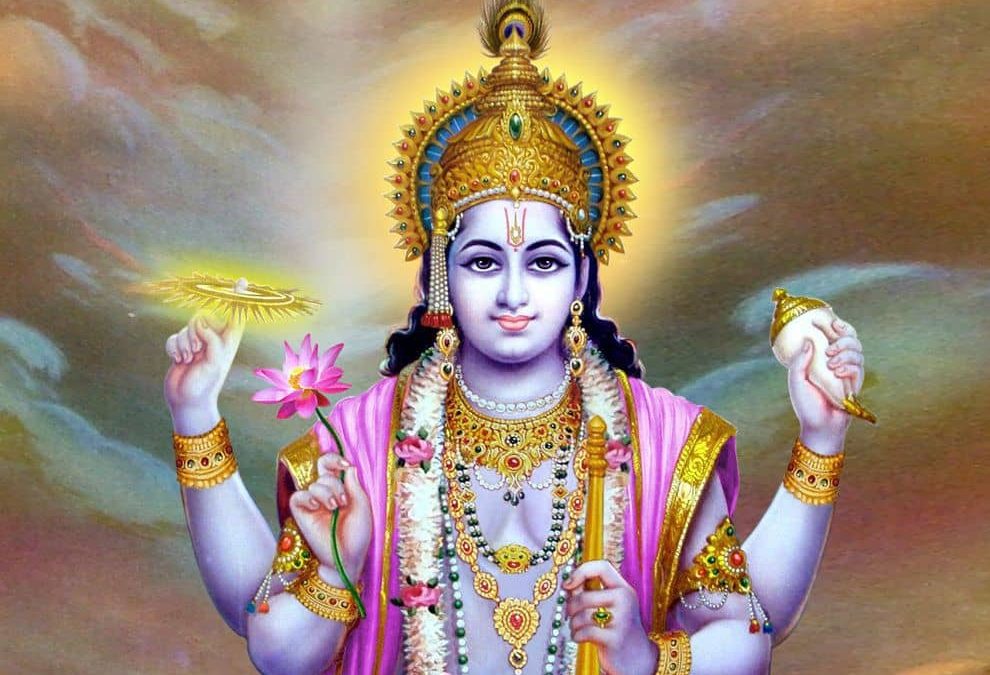
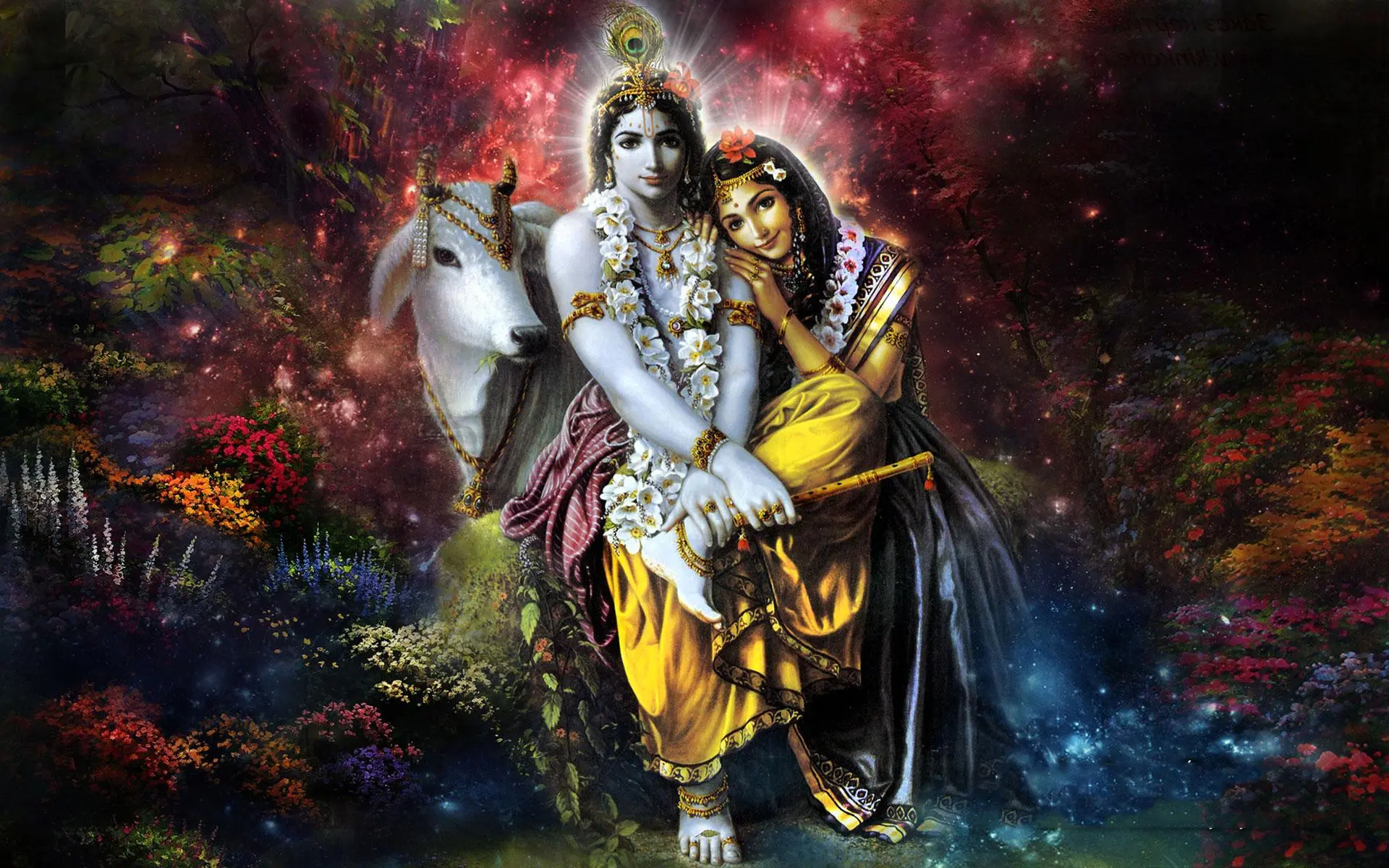
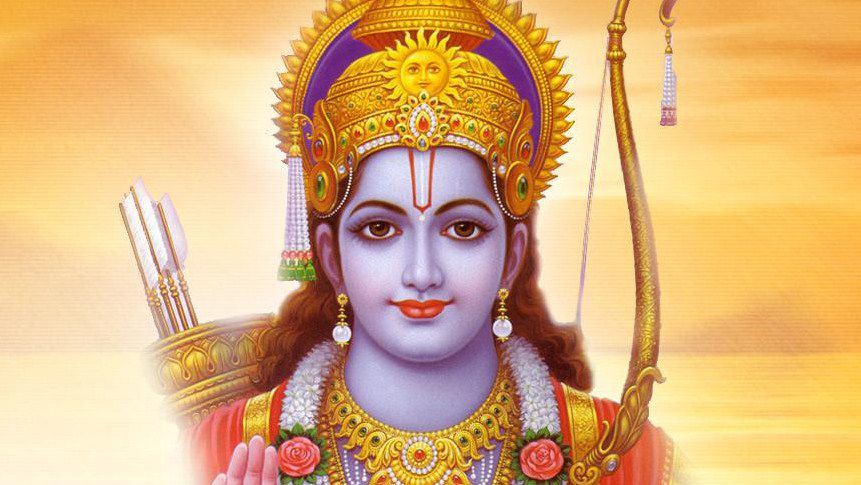
That who the Jews and the Christians call Yahweh, the Hindus call Vishnu. Ask the Hindus, has Lord Vishnu been to earth in human incarnation before? They will say yes. He was Lord Krishna 5,000 years ago towards the end of the last age, well documented in the Mahabharata. And he was Lord Rama 7,000 years ago, towards the end of the age before the last one, well documented in the Ramayana. And he was Lord Buddha 2,500 years ago, in this very age.
When the Buddha was a newly born child, an astrologer came to see his father, a king, and said, "This child will either become a yogi, or a king of all earth." That child became a yogi 2,500 years ago. Upon return, he will become a king to all earth. He has returned.
The Hindus have been waiting for 5,000 years now, waiting for Lord Krishna to return and end this age, the Kali Yuga. The End Times referred to in the Bible is a reference to the end of this age, not the end of the earth.
A decade is 10 years. A century is 100 years. A millennium is 1,000 years. An age is several thousand years. There are four seasons in a year. Well, there are four ages. They are cyclical. The age has been mentioned in the Bible multiple times.
The Jews, the Christians, the Hindus, the Buddhists have all been waiting for the same person. And He is here. Yahweh in human incarnation. Vishnu in human incarnation.
His identity is established by the 5,000-year-old prophecies He has fulfilled as written in scriptures like the Kalki Purana, and the Bhavishya Purana. The Bible is scripture because it contains prophecies. That is the only measure. So, if there are other books that also contain prophecies, they are also scripture.
Prophecies are proof of God. God is omniscient, knows everything, omnipresent, is everywhere, and omnipotent, can do anything. That Jesus will be crucified was written at a time when crucifixion was not a method of execution anywhere. A prophecy said, not one bone will be broken. Not one bone was broken. God's power is total.
Prophecies prove that indeed there is a God who is omnipotent, omniscient, and omnipresent.
God is on earth in human incarnation, and the work to end this age and usher in the new one has already begun. And I know Him.
He pointed to me Shahrukh Khan's Bollywood movie Jawaan a few years ago and said, this is how the work will unfold. But Shahrukh Khan had no idea, still has no idea, he had starred in a Kalki movie. God's power is total. Director Atlee had no idea, still has no idea.
Elon Musk, on the cutting edges of AI and robotics, has gone on record to say, currency will end. There will be no more money. "I am not saying this is important work, and I will do it. I am saying, this will happen with or without me."
God has put forth a book. In it He writes how he will end this age, and usher in a new one. He talks of a moneyless economy. Elon Musk is on the same page. But He has no idea he is quite literally doing God's work. That is what makes him Shahrukh Khan.
Islam is the anti-religion. Islam is the religion of The Devil. Allah is not God. Allah is The Devil having distorted who or what God is. God is omnipotent. Allah, as described in the Koran, is not. Allah does not seem to have the power to enter human history, for example. There is no historic Muhammad. Runners run. Swimmers swim. Prophets prophecy. That is what they do. Isaiah was a prophet. Some of his prophecies are still coming true today. What prophecies have been attributed to Muhammad? There are none.
The Devil has managed to sell the Muslims the Brooklyn Bridge. Most Muslims think Allah is God. Allah is not God. Those who seek peace should do their best to help Muslims attain spiritual clarity on Islam.
But the Mahabharata and the Ramayana tell us, the truly evil do not reason. The truly evil fight to the finish. The last two ages ended with a war, as will this one. The way the forces of good minimize death and destruction is by attaining and helping attain spiritual clarity on Islam, and preapring for the war. Overwhelming force to minimize death and destruction when war becomes inevitable.
The Devil's way is tyranny. How did Islam enter Iran? Become Muslim or die. That is how. How does Iran stay Muslim? Stay Muslim or die. That is how. Utter tyranny.
There are no more wars in the next age. The next age has been vividly described in the Book Of Isaiah.
When a computer tracks the Indian classical dancer in this video, it picks up perfect circles, triangles, and curves in every movement. There are exactly 108 of them. All 108 were written into a manual over 2,000 years ago.
The End Times and the Dawn of the New Age: Dispelling Confusion and Rediscovering Truth
For thousands of years, humanity has prayed for divine intervention — for liberation, peace, and the coming of God’s kingdom on Earth. Yet, as those prayers begin to be answered, confusion and contradiction cloud the human heart. Many speak of the “End Times” but few truly understand them. Some imagine apocalyptic fire and destruction, others dream of sudden rapture to heaven, while still others dismiss the entire notion as myth. The truth, however, is both simpler and far deeper: the End Times do not mark the destruction of the Earth but its transformation — the end of an age of darkness and the beginning of an age of light.
1. The Contradictions in Common Belief
Across many churches and temples, one hears the same paradox repeated. On one hand, believers say, “Jesus will return to rule the Earth.” On the other, they say, “The Earth will be destroyed.” Both cannot be true. If Jesus — the Eternal Priest — is to rule as King, then there must be an Earth to rule over. The Lord’s Prayer itself makes it clear:
“Thy Kingdom come, Thy will be done, on Earth as it is in Heaven.”
The prayer is not to Jesus but to God the Father — for God Himself to become King of Earth. That kingship happens not through celestial explosions but through divine incarnation — when God appears among humans to restore righteousness and truth. Just as light breaks the night, the divine arrives when the world needs it most.
2. The Nature of God and the Power of Discernment
God is fundamentally good — the very embodiment of goodness. The Devil, by contrast, is the embodiment of deceit and coercion. The difference between them is as clear as day and night. Yet, throughout history, people have often failed to discern between the two. Jesus healed the sick and opened blind eyes, but the priests of his time accused him of performing “the works of the Devil.”
Why? Because corruption had already entered their hearts — and even their scriptures. The Devil’s subtlest work is not to destroy truth, but to distort it. Falsehood often dresses itself as faith. Thus, parts of sacred texts — the Koran, certain Biblical verses, and even later Jewish writings — may bear traces of such infiltration. It is no great stretch to believe that evil could twist holy words through those most vulnerable to pride — the priests themselves.
The Devil’s weapon is argument. He fights with false logic and rhetoric. But truth, discernment, and divine reason are stronger. The faithful must not simply pray — they must see. They must recognize when their prayers are being answered, even if the answer does not come in the expected form.
3. Islam and the Challenge of Coercion
True religion uplifts, liberates, and enlightens. False religion coerces, subjugates, and blinds. Islam, in its historic form, spread not by persuasion but by the sword. Nations were given three options: convert, pay the tax of submission, or die. Tyranny is the Devil’s way — liberty is God’s. Look at the structure of Iran today: a theocratic prison where liberty has no scent. Such systems are not of God.
Yet even here, compassion must prevail. Just as we separate the sin from the sinner, we must separate the deluded from the delusion. Those under darkness can still see the light. The call of this age is not to hate Muslims but to awaken them — to help them see that the very system that enslaves them is the opposite of divine will.
4. The Temple and the Turning of the Age
The End Times do not mean annihilation; they mean transition. The mosque that stands where the Third Temple must rise represents not faith but obstruction. Its time is over. The building of the Third Temple marks the beginning of the next age — the reign of God on Earth. Compassion demands that Muslims be invited to awaken and join the path of truth, but there is a divine deadline. Every Yuga — every age — ends when humanity refuses to reform.
When Ravana ignored divine counsel, war followed. When Duryodhana refused to yield, war followed. And today, if the forces of darkness — the many Ravanas and Duryodhanas — refuse to turn, war will again follow. But those on the side of light must fight not for destruction but for renewal, with overwhelming spiritual clarity and minimal bloodshed.
5. The Coming of the New Age
The next age — the Satya Yuga, or the Age of Truth — has been described in vivid detail in the scriptures of all traditions. It is an era of universal peace, knowledge, and prosperity. When God rules directly, there will be no need for religion, for religion itself is only a bridge between man and God. Once God stands before humanity, the bridge dissolves.
All religions born in the Kali Yuga — the Age of Darkness — must come to an end. Not through violence, but through transcendence. Just as one leaves high school to enter university, humanity must now graduate from fragmented faiths to universal truth — from dogma to dharma.
6. The Eternal Religion
Before colonial distortions, there was no “Hinduism.” The people of the Ramayana and Mahabharata did not call themselves “Hindus.” They followed Sanatana Dharma — the Eternal Way — a living science of cosmic order and divine knowledge. That Dharma alone will continue into the next age, not as a sect or label, but as the foundation of universal truth.
When humanity’s spiritual capacity multiplies a hundredfold, old forms will no longer fit. The Earth will not end, but ignorance will. The false divisions among religions will dissolve. The Sanatana Dharma — not as a religion but as a divine science — will guide the world.
7. The Messiah and the Final Revelation
The Jews await the Messiah — Yahweh in human form. The Christians await the Second Coming — the Son of God made flesh again. The Hindus await Vishnu’s final avatar — Kalki. These are not separate figures. They are one and the same: God in human incarnation, come to restore righteousness. If that incarnation has occurred in a Hindu family, it proves that the Sanatana Dharma is not false but foundational.
The age of waiting is over. The prayers of millennia are being answered. Yet, in this moment, discernment is everything. Do not call God the Devil simply because the Devil whispers it. Truth shines through goodness. Look at the fruit of divine work — peace, justice, knowledge, and compassion — and you will know the tree.
8. Conclusion: The Dawn Has Already Begun
The End Times are not the end of the Earth but the end of ignorance. It is the passing of the Kali Yuga — the age of confusion, corruption, and coercion — and the birth of the Satya Yuga — the age of truth, unity, and light.
The Messiah is not a dream but a reality unfolding. God has come in human form, as He has promised across ages and scriptures. The call to humanity is simple yet profound: Discern. Awaken. Participate in the dawn.
The long night of waiting is over. The sun of truth has risen. The new age is here.
अंत समय और नए युग की भोर: भ्रम को दूर कर सत्य को पहचानना
हज़ारों वर्षों से मानवता ने ईश्वर से प्रार्थना की है — मुक्ति के लिए, शांति के लिए, और इस धरती पर ईश्वर के राज्य के आगमन के लिए। लेकिन जब वे प्रार्थनाएँ पूरी होने लगती हैं, तब मनुष्यों के हृदय में भ्रम और विरोधाभास भर जाता है। बहुत से लोग “अंत समय” की बात करते हैं, पर बहुत कम लोग वास्तव में समझते हैं कि उसका अर्थ क्या है। कुछ लोग कल्पना करते हैं कि यह पृथ्वी के विनाश का समय है, कुछ सोचते हैं कि अचानक सब स्वर्ग में उठा लिए जाएंगे, और कुछ इसे केवल मिथक कहकर टाल देते हैं।
पर सत्य इससे कहीं गहरा और सरल है — अंत समय का अर्थ पृथ्वी का नाश नहीं, बल्कि उसका रूपांतरण है। यह अंधकार के युग का अंत और प्रकाश के युग की शुरुआत है।
1. सामान्य विश्वासों के विरोधाभास
कई गिरजाघरों और मंदिरों में एक ही विरोधाभास दोहराया जाता है।
एक ओर लोग कहते हैं, “यीशु लौटेंगे और पृथ्वी पर राज करेंगे।”
दूसरी ओर वही लोग कहते हैं, “पृथ्वी नष्ट हो जाएगी।”
दोनों एक साथ सत्य नहीं हो सकते।
यदि यीशु — अनंत याजक — पृथ्वी पर राजा बनने वाले हैं, तो पृथ्वी को बने रहना ही होगा।
खुद प्रभु की प्रार्थना यह स्पष्ट करती है:
“तेरा राज्य आए, तेरी इच्छा पृथ्वी पर वैसे ही पूरी हो जैसे स्वर्ग में होती है।”
यह प्रार्थना यीशु से नहीं, बल्कि परमपिता परमेश्वर से की जाती है — कि वह स्वयं पृथ्वी का राजा बने। और यह राज्य तभी आता है जब ईश्वर स्वयं मानव रूप में अवतरित होकर धर्म की स्थापना करते हैं। जैसे सूर्य रात्रि को मिटाता है, वैसे ही दिव्य प्रकाश तब आता है जब संसार को उसकी सबसे अधिक आवश्यकता होती है।
2. ईश्वर का स्वरूप और विवेक की शक्ति
ईश्वर मूल रूप से सद्गुणों का प्रतीक हैं — स्वयं भलाई का मूर्त रूप। शैतान इसका विपरीत है — वह छल, असत्य और जबरदस्ती का प्रतीक है। ईश्वर और शैतान के बीच का अंतर दिन और रात जितना स्पष्ट है।
फिर भी इतिहास में बार-बार लोगों ने दोनों में अंतर नहीं किया। यीशु ने जब बीमारों को ठीक किया, अंधों को दृष्टि दी, तो पुरोहितों ने कहा — “यह शैतान का काम है।”
क्यों? क्योंकि उनके हृदय पहले ही भ्रष्ट हो चुके थे।
शैतान का सबसे सूक्ष्म कार्य यह नहीं कि वह सत्य को मिटा दे, बल्कि यह कि वह उसे विकृत कर दे। झूठ अक्सर धर्म का रूप धर लेता है। इसलिए यह मानना कठिन नहीं कि दुष्ट शक्ति ने कुछ धार्मिक ग्रंथों — क़ुरान, बाइबल के कुछ हिस्सों, और यहूदी ग्रंथों के कुछ अंशों — को प्रभावित किया हो।
क्योंकि घमंड में डूबे पुरोहित ही शैतान के सबसे आसान शिकार बनते हैं।
शैतान का हथियार है तर्क, झूठा तर्क। वह असत्य से लड़ता है, पर सत्य का प्रकाश उसे पराजित करता है। इसलिए सच्चे भक्तों को केवल प्रार्थना ही नहीं करनी चाहिए — उन्हें देखना और पहचानना भी चाहिए। उन्हें समझना होगा कि जब उनकी प्रार्थना का उत्तर मिल रहा है, तो वह कैसा दिखता है।
3. इस्लाम और जबरदस्ती का संकट
सच्चा धर्म uplift करता है, स्वतंत्र करता है, ज्ञान देता है। झूठा धर्म दबाता है, गुलाम बनाता है, और अंधा कर देता है।
इतिहास बताता है कि इस्लाम का विस्तार तलवार के बल पर हुआ।
लोगों को तीन विकल्प दिए गए — इस्लाम कबूल करो, जज़िया दो, या मर जाओ।
तानाशाही शैतान का तरीका है — स्वतंत्रता ईश्वर का।
आज ईरान जैसे देशों को देखो — जहाँ धर्म के नाम पर तानाशाही है, जहाँ आज़ादी की खुशबू तक नहीं। ऐसा शासन ईश्वर का नहीं हो सकता।
पर इसका अर्थ यह नहीं कि मुसलमानों से घृणा की जाए।
जैसे हम पाप से नफ़रत करते हैं, पर पापी से नहीं, वैसे ही हमें उन लोगों से प्रेम और करुणा रखनी चाहिए जो अंधकार में हैं। उन्हें प्रकाश दिखाने की आवश्यकता है।
4. मंदिर और युग परिवर्तन
अंत समय का अर्थ विनाश नहीं, बल्कि परिवर्तन है।
तीसरे मंदिर के निर्माण का समय आ चुका है।
जहाँ आज मस्जिद खड़ी है, वहाँ से नई युग की शुरुआत होगी।
यह करुणा का समय भी है — मुसलमानों को यह समझाने का कि इस्लाम ने उन्हें प्रकाश से दूर किया है, और अब समय है कि वे ईश्वर की ओर लौटें।
परंतु हर युग का एक समयसीमा होता है।
त्रेता युग में जब रावण ने नहीं सुना, तो युद्ध हुआ।
द्वापर में जब दुर्योधन ने नहीं माना, तो युद्ध हुआ।
आज यदि असंख्य रावण और दुर्योधन सत्य से मुँह मोड़ेंगे, तो फिर युद्ध होगा।
परंतु यह युद्ध विनाश का नहीं, नवीकरण का होगा।
धर्म के पक्ष के लोग लड़ेंगे, पर केवल न्यूनतम हिंसा और अधिकतम स्पष्टता के साथ — ईश्वर की दिशा में।
5. नए युग का उदय
अगला युग — सत्य युग — सभी धर्मग्रंथों में वर्णित है।
यह शांति, ज्ञान और समृद्धि का युग है।
जब ईश्वर स्वयं शासन करेंगे, तब धर्म की आवश्यकता नहीं रहेगी — क्योंकि धर्म तो केवल सेतु है, जो मनुष्य को ईश्वर तक पहुँचाता है। जब ईश्वर सामने हों, तो सेतु की क्या ज़रूरत?
सभी धर्म जो कलियुग में जन्मे, वे इस युग के साथ समाप्त होंगे — हिंसा से नहीं, बल्कि अतिक्रमण से।
जैसे कोई छात्र हाई स्कूल छोड़कर विश्वविद्यालय जाता है, वैसे ही मानवता अब धर्म के विभाजनों से ऊपर उठकर सनातन धर्म की ओर बढ़ेगी — जो न किसी एक समुदाय का है, न किसी एक भाषा का।
6. सनातन धर्म: शाश्वत मार्ग
“हिंदू धर्म” शब्द विदेशी आक्रमणकारियों की देन है।
रामायण या महाभारत में कोई “हिंदू” नहीं था — केवल धर्म के अनुयायी थे।
वह धर्म था सनातन धर्म — सृष्टि का शाश्वत नियम, ईश्वर के साथ सामंजस्य का विज्ञान।
अगले युग में जब मानव की आध्यात्मिक क्षमता सौ गुना बढ़ जाएगी, तब पुराने धार्मिक ढाँचे फिट नहीं बैठेंगे। पृथ्वी समाप्त नहीं होगी — अज्ञान समाप्त होगा।
झूठे धर्म मिटेंगे, सत्य शेष रहेगा।
सनातन धर्म धर्म नहीं, बल्कि दैवीय विज्ञान है — और वही आने वाले युग का आधार बनेगा।
7. मसीहा और अंतिम रहस्योद्घाटन
यहूदी लोग मसीहा की प्रतीक्षा कर रहे हैं — यहोवा के मानव अवतार की।
ईसाई लोग यीशु के दूसरे आगमन की प्रतीक्षा कर रहे हैं — ईश्वर के पुत्र के रूप में।
हिंदू लोग विष्णु के अंतिम अवतार कल्कि की प्रतीक्षा कर रहे हैं।
ये तीनों अलग नहीं हैं — ये एक ही सत्य के तीन नाम हैं। ईश्वर स्वयं मानव रूप में अवतरित होकर धर्म की पुनर्स्थापना करते हैं।
यदि वह अवतार किसी हिंदू परिवार में हुआ है, तो यह प्रमाण है कि सनातन धर्म झूठा नहीं बल्कि मूल सत्य है।
अब प्रतीक्षा का समय समाप्त हो चुका है।
हज़ारों वर्षों की प्रार्थनाएँ सुनी जा चुकी हैं।
अब केवल एक प्रश्न है — क्या तुम discern कर पाओगे?
क्या तुम सत्य को पहचान पाओगे?
8. निष्कर्ष: भोर पहले ही शुरू हो चुकी है
अंत समय पृथ्वी के विनाश का नहीं, बल्कि अज्ञान के अंत का नाम है।
यह कलियुग के अंधकार का अंत है और सत्य युग के प्रकाश की शुरुआत।
मसीहा कोई कल्पना नहीं, बल्कि वास्तविकता है — एक ऐसी वास्तविकता जो अभी unfold हो रही है।
ईश्वर मानव रूप में अवतरित हो चुके हैं, जैसा उन्होंने हर युग में वादा किया था।
अब मानवता के लिए संदेश सीधा और स्पष्ट है: “विवेक रखो। जागो। और भोर में सहभागी बनो।”
लंबी रात्रि समाप्त हो चुकी है।
सत्य का सूर्य उदय हो चुका है।
नया युग आ चुका है।
Yahweh Is Vishnu: The Hidden Unity of the World’s Faiths
Across the world’s great religions, humanity has prayed for the same divine truth under different names. The Jews call Him Yahweh. The Christians worship the same being as God the Father. The Hindus have always known Him as Vishnu. Three traditions, three languages, but one eternal source — the Supreme Being who sustains creation, restores balance, and manifests among men when darkness grows too great.
1. The Question That Unites the Faiths
If the Messiah the Jews await — the one foretold to establish peace and righteousness — is Yahweh in human form, then we must ask: has Yahweh ever descended to Earth before?
To the Christian, this same figure fulfills the prayer taught by Jesus:
“Thy Kingdom come, Thy will be done on Earth as it is in Heaven.”
That Kingdom cannot come unless God Himself appears to rule upon Earth.
And when we ask the Hindus — those who have kept the most ancient memory of divine incarnations — “Has Vishnu ever come upon Earth in human form?”
They answer without hesitation: “Oh yes. Many times.”
2. Vishnu: The Eternal Restorer of Dharma
In the Hindu understanding, Vishnu is not a distant creator but the preserver of cosmic order — the one who repeatedly incarnates whenever humanity loses its way.
“Whenever righteousness declines and unrighteousness rises, I manifest Myself upon Earth.” — Bhagavad Gita 4:7
According to their sacred history, Vishnu appeared as Lord Rama around 7,000 years ago to defeat Ravana and restore the ideals of truth, duty, and compassion.
Later, He returned as Lord Krishna about 5,000 years ago, to guide humanity through the chaos of the Mahabharata war and deliver the eternal wisdom of the Gita.
Each incarnation was not a new god but the same eternal Being — appearing in different forms, ages, and lands — to reestablish dharma, or divine order.
3. Yahweh and Vishnu: The Same Divine Source
When viewed through the lens of universal spirituality, Yahweh and Vishnu are not rivals but reflections of the same divine reality expressed through different civilizations.
The Hebrew YHWH — “I AM THAT I AM” — describes the self-existent, timeless being who sustains all life.
The Sanskrit Vishnu comes from the root vish, meaning “to pervade.”
He is the One who pervades all existence, omnipresent and eternal — the very same description.
One speaks in Hebrew, the other in Sanskrit, but both describe the same cosmic personality: the Preserver, the Sustainer, the Eternal One.
4. The Messiah and the Next Incarnation
If Yahweh is Vishnu, then the Messiah awaited by the Jews and Christians alike is none other than Vishnu in His latest human incarnation.
In the Hindu timeline, the current age — the Kali Yuga — is the final age of darkness, destined to end with the arrival of Kalki, the tenth avatar of Vishnu.
Kalki is prophesied to appear when humanity is drowning in corruption and falsehood, to destroy ignorance and reestablish truth on Earth.
The parallels are unmistakable:
The Messiah will come at the end of an age.
He will bring justice, peace, and the reign of God on Earth.
He will defeat the forces of evil and restore divine law.
Different scriptures, same prophecy.
5. The Kingdom of God on Earth
When Christians pray, “Thy Kingdom come,” they are not praying for the destruction of the world but for its renewal.
They are praying for the very same event the Hindus call the dawn of the Satya Yuga — the Age of Truth.
They are praying for the same divine figure the Hindus await as Kalki, the Jews as the Messiah, and the faithful everywhere as the return of the Lord.
That divine reign will not be otherworldly; it will be here, on Earth.
As the Gita teaches, the divine does not abandon creation but returns to uplift it.
As Jesus promised, “The meek shall inherit the Earth.”
The Earth is not ending; it is being reborn.
6. A Call for Recognition and Unity
If Yahweh is Vishnu, then the walls between faiths crumble.
The God of Abraham, of Moses, of Krishna, of Jesus — all are one.
The human language of faith may differ, but the divine essence is identical.
The time has come to see beyond the names and rituals and recognize the unity beneath them.
For thousands of years, humanity has prayed for the same Being — and now, as prophecy across traditions converges, we stand at the threshold of the answer.
The question is not whether God will come, but whether humanity will recognize Him when He does.
7. The Eternal Return
When the Jews await Yahweh’s reign, when Christians pray for Christ’s return, and when Hindus look to the skies for Kalki, they are all waiting for the same divine presence — the same eternal Vishnu who has never abandoned creation.
He was Rama 7,000 years ago.
He was Krishna 5,000 years ago.
And once again, He walks among us — to fulfill the promise made in every scripture:
to end the age of darkness and begin the age of light.
In truth, there has always been one God, one story, and one promise.
Different tongues, different books — but the same eternal Being.
Yahweh is Vishnu.
And the Kingdom of God that humanity has prayed for is not far away.
It has already begun to dawn.
याहवे ही विष्णु हैं: विश्व के धर्मों का छिपा हुआ एकत्व
दुनिया के महान धर्मों में, मानवता ने एक ही परम सत्य के लिए अलग-अलग नामों से प्रार्थना की है।
यहूदी उन्हें याहवे (Yahweh) कहते हैं।
ईसाई उन्हें गॉड द फादर (God the Father) के रूप में पूजते हैं।
और हिंदू उन्हें विष्णु के नाम से जानते हैं।
तीन परंपराएँ, तीन भाषाएँ — परंतु एक ही शाश्वत सत्ता। वही सर्वोच्च ईश्वर जो सृष्टि को संभालता है, असंतुलन को ठीक करता है, और जब अंधकार बहुत बढ़ जाता है, तब मानव रूप में अवतरित होकर पृथ्वी पर आता है।
१. एक प्रश्न जो सभी धर्मों को जोड़ता है
यदि वह मसीहा (Messiah) — जिसका यहूदी इंतजार कर रहे हैं, जो शांति और धर्म की स्थापना करेगा — याहवे का मानव रूप है, तो प्रश्न उठता है:
क्या याहवे पहले कभी पृथ्वी पर आए हैं?
ईसाई परंपरा में यह वही सत्ता है, जो यीशु द्वारा सिखाई गई प्रार्थना का उत्तर है:
“Thy Kingdom come, Thy will be done, on Earth as it is in Heaven.”
(“तेरा राज्य आए, तेरी इच्छा पृथ्वी पर पूरी हो जैसे स्वर्ग में होती है।”)
यह राज्य तभी आ सकता है जब परमेश्वर स्वयं पृथ्वी पर अवतरित हों।
और जब हम हिंदुओं से पूछते हैं — “क्या विष्णु कभी पृथ्वी पर मानव रूप में आए हैं?”
वे बिना झिझक उत्तर देते हैं: “हाँ, कई बार।”
२. विष्णु: धर्म के सनातन रक्षक
हिंदू दर्शन में विष्णु सृष्टि के संरक्षक हैं — जो हर बार तब अवतरित होते हैं जब अधर्म बढ़ता है और मानवता अपना मार्ग खो देती है।
“जब-जब धर्म की हानि और अधर्म की वृद्धि होती है, तब-तब मैं पृथ्वी पर अवतरित होता हूँ।” — भगवद्गीता ४:७
हिंदू परंपरा के अनुसार, विष्णु भगवान राम के रूप में लगभग ७,००० वर्ष पहले अवतरित हुए — रावण का विनाश करने और सत्य, मर्यादा तथा करुणा की पुनर्स्थापना करने के लिए।
फिर लगभग ५,००० वर्ष पहले, वे भगवान कृष्ण के रूप में आए — महाभारत के युद्धकाल में मानवता को ज्ञान देने और गीता का उपदेश करने के लिए।
हर अवतार उसी एक शाश्वत सत्ता का रूप था — जो युग-युग में अलग-अलग स्वरूप लेकर धर्म की स्थापना करता रहा है।
३. याहवे और विष्णु: एक ही दिव्य स्रोत
यदि हम सार्वभौमिक दृष्टि से देखें, तो याहवे और विष्णु कोई दो अलग ईश्वर नहीं, बल्कि एक ही दिव्य शक्ति के दो नाम हैं।
हिब्रू भाषा में YHWH का अर्थ है — “I AM THAT I AM” — अर्थात् “मैं ही हूँ जो सदा हूँ” — जो स्वयंभू और सनातन सत्ता का परिचायक है।
संस्कृत में विष्णु शब्द विश् धातु से बना है, जिसका अर्थ है — “व्याप्त होना” या “सबमें समाना।”
दोनों ही नाम उस ईश्वर का वर्णन करते हैं जो सर्वव्यापी है, अनादि-अनंत है, और सृष्टि में व्याप्त है।
भाषा भले अलग हो — पर जो सत्ता वर्णित है, वह एक ही है — वही रक्षक, वही पालनहार, वही सनातन।
४. मसीहा और अगला अवतार
यदि याहवे ही विष्णु हैं, तो यहूदी और ईसाई जिस मसीहा की प्रतीक्षा कर रहे हैं, वह विष्णु का नवीनतम मानव अवतार है।
हिंदू कालगणना के अनुसार, वर्तमान समय कलियुग है — अंधकार और अधर्म का युग — जिसका अंत कल्कि अवतार से होगा।
कल्कि विष्णु का दसवाँ और अंतिम अवतार हैं — जो तब आएंगे जब मानवता पूरी तरह अज्ञान और भ्रष्टाचार में डूब जाएगी।
उनका उद्देश्य है — असत्य का नाश और सत्य की पुनर्स्थापना।
इस भविष्यवाणी और यहूदी-ईसाई भविष्यवाणी में समानता चौंकाने वाली है:
मसीहा युग के अंत में आएगा।
वह शांति और ईश्वर का राज्य स्थापित करेगा।
वह बुराई का अंत करेगा और धर्म की पुनर्स्थापना करेगा।
अलग ग्रंथ, पर एक ही भविष्यवाणी।
५. पृथ्वी पर ईश्वर का राज्य
जब ईसाई “Thy Kingdom come” कहते हैं, तो वे पृथ्वी के विनाश की नहीं, उसके पुनर्जन्म की प्रार्थना कर रहे होते हैं।
वे उसी घटना की प्रतीक्षा कर रहे हैं, जिसे हिंदू सत्य युग का उदय कहते हैं — सत्य और धर्म का युग।
वही घटना यहूदियों के लिए मसीहा का आगमन है, ईसाइयों के लिए क्राइस्ट का पुनरागमन, और हिंदुओं के लिए कल्कि अवतार।
ईश्वर का राज्य स्वर्ग में नहीं, यहीं पृथ्वी पर स्थापित होगा।
जैसे गीता कहती है — “ईश्वर सृष्टि को छोड़ते नहीं, वह स्वयं लौटकर आते हैं।”
और यीशु ने भी कहा — “धन्य हैं वे जो विनम्र हैं, क्योंकि पृथ्वी उनका राज्य होगी।”
अर्थात्, पृथ्वी का अंत नहीं होगा — उसका नवीकरण होगा।
६. पहचान और एकता का आह्वान
यदि याहवे ही विष्णु हैं, तो धर्मों के बीच की दीवारें गिर जाती हैं।
अब्राहम के परमेश्वर, मूसा के परमेश्वर, कृष्ण के परमेश्वर, यीशु के परमेश्वर — सब एक ही हैं।
भाषाएँ बदल सकती हैं, पूजा की विधियाँ अलग हो सकती हैं, पर सत्य एक ही है।
अब समय आ गया है कि मानवता नामों और रूपों से ऊपर उठे, और उस एकता को पहचाने जो भीतर विद्यमान है।
हजारों वर्षों से सबने एक ही ईश्वर से प्रार्थना की है — और अब जब भविष्यवाणियाँ एक-दूसरे से मिल रही हैं, तब वह उत्तर हमारे सामने है।
प्रश्न अब यह नहीं कि “ईश्वर कब आएंगे,” बल्कि यह है — “क्या हम उन्हें पहचान पाएंगे जब वे आ चुके होंगे?”
७. सनातन वापसी
जब यहूदी याहवे की प्रतीक्षा करते हैं, जब ईसाई मसीहा के पुनरागमन की बात करते हैं, जब हिंदू कल्कि का इंतजार करते हैं —
वे सब उसी एक दिव्य सत्ता की प्रतीक्षा कर रहे हैं — उसी विष्णु की जो सृष्टि को कभी नहीं छोड़ता।
वह राम थे ७,००० वर्ष पहले।
वह कृष्ण थे ५,००० वर्ष पहले।
और आज — वही परमेश्वर पुनः मानव रूप में पृथ्वी पर हैं — अंधकार का अंत करने और प्रकाश के युग की शुरुआत करने के लिए।
सत्य सदा एक रहा है। ईश्वर सदा एक रहे हैं। कथा सदा एक रही है।
नाम बदले, भाषाएँ बदलीं, पर सत्ता वही रही। याहवे ही विष्णु हैं।
और वह “राज्य” जिसकी मानवता ने हज़ारों वर्षों से प्रार्थना की है — अब केवल आने वाला नहीं, वह आरंभ हो चुका है।
Faith and Freedom: Why True Worship Must Come from Free Will
Throughout human history, one question has shaped every civilization’s spiritual journey: Can faith exist without freedom?
Worship, by its very nature, must be an act of free will. If belief is compelled, it ceases to be belief. True reverence arises not from fear or force, but from love, choice, and inner conviction.
The Essence of Voluntary Worship
Every faith tradition, in its purest form, emphasizes the voluntary bond between the soul and the divine.
When worship is freely chosen, it uplifts both the individual and the community. When imposed, it corrupts the very spirit of religion.
Temples, churches, synagogues, and mosques are not about confining God to one place, but about giving the human heart a focus — a space to remember the omnipresence of the sacred.
The Perils of Coercion
History is filled with moments when belief was enforced — by kings, by empires, by ideology. Whenever that happens, faith becomes a political instrument rather than a spiritual journey.
Coercion replaces dialogue with fear, and fear breeds resentment rather than devotion. Religion then loses its soul and becomes a tool of power.
True religion never thrives under tyranny. It blooms only in the soil of freedom.
Discernment: Guarding the Sacred from Corruption
Every tradition also faces the danger of distortion — when human ambition, misunderstanding, or manipulation creeps into divine truth.
Across centuries, scriptures and interpretations have sometimes been twisted to serve agendas of dominance rather than enlightenment.
That is why discernment — the ability to tell light from darkness, truth from falsehood — is one of humanity’s highest spiritual duties.
The light of God is goodness, compassion, and clarity.
The darkness of evil is deception, coercion, and confusion.
The two cannot coexist; and yet, only a discerning heart can truly tell them apart.
Faith, Reason, and Renewal
Spiritual maturity demands humility — the recognition that no tradition is immune from error, and no revelation was meant to justify cruelty.
The task before every believer is to purify faith from the sediments of fear, to defend freedom of conscience, and to remember that God’s light can never be imposed — only invited.
When worship flows from choice, it unites.
When it is forced, it divides.
Conclusion: The Dawn of Conscious Faith
The true struggle of our age is not between religions, but between freedom and coercion, between light and darkness within every human heart.
To worship God freely is to affirm the divine image within oneself — the power to choose, to love, and to discern truth.
Wherever that freedom exists, God’s presence shines.
Wherever it is extinguished, faith turns to shadow.
आस्था और स्वतंत्रता: सच्ची उपासना तभी संभव है जब वह स्वेच्छा से की जाए
मानव इतिहास के हर युग में एक प्रश्न बार-बार उठता रहा है — क्या बिना स्वतंत्रता के आस्था संभव है?
उपासना या आराधना का मूल स्वरूप तभी सच्चा होता है जब वह स्वतंत्र इच्छा से किया गया हो। यदि विश्वास को बाध्य किया जाए, तो वह विश्वास नहीं रह जाता। सच्ची भक्ति भय या बल से नहीं, बल्कि प्रेम, चयन और आत्मबोध से जन्म लेती है।
१. स्वतंत्र उपासना का सार
हर धर्म की गहराई में यह संदेश छिपा है कि मनुष्य और ईश्वर का संबंध स्वतंत्र इच्छा पर आधारित है।
जब उपासना स्वेच्छा से की जाती है, तो वह व्यक्ति को भी ऊपर उठाती है और समाज को भी।
जब उपासना को जबरदस्ती कराया जाता है, तब धर्म अपनी आत्मा खो देता है।
मंदिर, गिरजाघर, मठ या मस्जिद — ईश्वर को सीमित करने के लिए नहीं, बल्कि मानव हृदय को ध्यान और श्रद्धा का केंद्र देने के लिए बनाए जाते हैं।
ईश्वर हर जगह हैं, लेकिन मनुष्य को किसी प्रतीक, किसी स्थान की आवश्यकता होती है जिससे उसका मन ईश्वर की ओर केंद्रित रहे।
२. जबरदस्ती की आस्था के खतरे
इतिहास के अनेक कालखंडों में देखा गया है कि जब राजाओं, साम्राज्यों या विचारधाराओं ने विश्वास को बलपूर्वक थोपने की कोशिश की, तो धर्म राजनीति का उपकरण बन गया।
जहाँ भय शासन करता है, वहाँ श्रद्धा मर जाती है।
जबरदस्ती से उत्पन्न धर्म भक्ति नहीं, दासता बन जाता है।
सच्चा धर्म कभी अत्याचार में नहीं फलता — वह केवल स्वतंत्रता की भूमि में खिलता है।
३. विवेक: जब सत्य को असत्य से बचाना हो
हर धर्म में समय-समय पर विकृति का खतरा उत्पन्न हुआ है — जब मानव अहंकार, स्वार्थ या भ्रम ने ईश्वर के संदेश को तोड़-मरोड़ दिया।
कभी ग्रंथों की व्याख्या सत्ता के अनुसार की गई, तो कभी धर्म का प्रयोग दूसरों पर नियंत्रण के लिए किया गया।
इसीलिए विवेक — यानी सत्य और असत्य, प्रकाश और अंधकार में भेद करने की क्षमता — हर युग में सबसे बड़ी आध्यात्मिक आवश्यकता रही है।
ईश्वर का प्रकाश अच्छाई, करुणा और स्पष्टता में झलकता है।
और अंधकार झूठ, भय और भ्रम में।
इन दोनों को पहचानने की जिम्मेदारी हर मनुष्य की है।
४. विश्वास, तर्क और पुनर्नवीकरण
आध्यात्मिक परिपक्वता का अर्थ है विनम्रता — यह स्वीकार करना कि कोई भी परंपरा त्रुटिहीन नहीं होती, और कोई भी ग्रंथ हिंसा या घृणा को उचित नहीं ठहरा सकता।
हर युग में मनुष्य का कर्तव्य यही रहा है कि वह अपने विश्वास को भय और बाध्यता से मुक्त करे, विवेक का प्रयोग करे, और यह समझे कि ईश्वर का प्रकाश केवल आमंत्रित किया जा सकता है — थोपे नहीं जा सकता।
जब उपासना स्वेच्छा से होती है, तो वह सबको जोड़ती है।
जब जबरदस्ती कराई जाती है, तो वह सबको बाँट देती है।
५. निष्कर्ष: सजग आस्था का प्रभात
हमारे समय की सबसे बड़ी लड़ाई धर्मों के बीच नहीं है —
वह स्वतंत्रता और बंधन के बीच है, प्रकाश और अंधकार के बीच है, जो हर मनुष्य के भीतर चल रही है।
ईश्वर की सच्ची उपासना वही है जो स्वतंत्रता से उपजती है —
जहाँ मनुष्य अपनी आत्मा के भीतर ईश्वर की छवि को पहचानता है,
और प्रेम तथा विवेक से उसका अनुसरण करता है।
जहाँ स्वतंत्रता होती है, वहाँ ईश्वर का प्रकाश चमकता है।
जहाँ जबरदस्ती होती है, वहाँ आस्था की लौ बुझ जाती है।
The Essence of True Worship: Freedom, Sincerity, and the Search for Light
Introduction: What Does It Mean to Worship Freely?
Across civilizations, worship has always stood at the center of humanity’s search for meaning. But what truly makes an act of devotion sacred?
At its core, true worship is an act of free will—a conscious choice to express reverence, gratitude, and love. Without freedom, worship becomes compulsion; without sincerity, ritual becomes performance. The essence of worship therefore lies not in form, but in the inner disposition of the heart.
The Freedom of Worship: A Universal Ideal
Every enduring spiritual tradition affirms, in its own way, that faith cannot be forced. Whether it is the Hindu concept of bhakti (devotion born of love), the Buddhist path of mindful awareness, the Christian invitation to “love God freely,” or the Islamic teaching that “there is no compulsion in religion,” authentic spirituality thrives where individuals can choose their path without fear.
Temples, mosques, churches, and shrines serve as symbols and spaces of connection, not cages of conformity. They help believers focus their hearts, reminding them of the divine presence that pervades all creation.
The question, then, is not whether one prays before an image, a scripture, or an altar—but whether the act springs from love, humility, and inner freedom.
Coercion as the Antithesis of Faith
Whenever power, politics, or fear intrude upon worship, the spiritual essence weakens. History is filled with examples—holy wars, forced conversions, state religions—where devotion was replaced by domination. Such coercion contradicts the very foundation of faith, for love cannot be commanded; it must be chosen.
Modern societies continue to wrestle with subtler forms of compulsion: social expectations, cultural conformity, and online echo chambers that dictate what to believe. The challenge for today’s seeker is to recognize these pressures and reclaim the freedom of conscience that gives worship meaning.
Distortion and Deception: Recognizing Shadows in Every Faith
Every religion faces the danger of distortion over time. When dogma hardens and compassion fades, even sacred teachings can be misused.
Spiritual corruption rarely appears as outright falsehood; it often masquerades as partial truth, mixing light with shadow.
The antidote is discernment—asking not, “Who is right?” but “What reflects goodness, truth, and love?”
This discernment demands courage. It requires believers to question inherited interpretations, to separate cultural habits from divine principles, and to remember that God’s light cannot be confined to any one scripture, prophet, or ritual.
Faith as Relationship, Not Obedience
True worship is not blind submission but a relationship of trust. The mystics of many traditions remind us that God seeks companionship, not servitude.
The Bhagavad Gita speaks of selfless devotion; the Sufi poets of Islam describe divine love as a dance of union; the Psalms echo with voluntary praise, not fear.
Across continents and centuries, the message converges: worship must rise from love, not coercion; from awareness, not anxiety.
A Call for Self-Reflection Across Traditions
Rather than judging other paths, spiritual maturity invites introspection.
Have our institutions replaced wonder with rule-keeping?
Do we worship out of genuine connection, or out of habit and fear?
Do our rituals open hearts—or close minds?
When each tradition looks inward with honesty, religion becomes a shared journey toward truth rather than a contest of superiority. The world needs humble seekers more than zealous defenders.
Conclusion: Light Over Darkness
To discern divine light from spiritual darkness is to recognize love over fear, generosity over control, and freedom over coercion.
The measure of true religion lies not in the number of its followers or the grandeur of its temples, but in the freedom and compassion it cultivates in the human soul.
Authentic worship is an invitation, not an order—a sunrise of the spirit that no darkness can extinguish.
सच्चे उपासना का सार: स्वतंत्रता, सच्चाई और दिव्य प्रकाश की खोज
परिचय: सच्ची भक्ति का अर्थ क्या है?
सभ्यता के आरंभ से ही उपासना मानव जीवन के केंद्र में रही है। लेकिन क्या केवल अनुष्ठान या रीति-रिवाज ही उपासना हैं?
असल में सच्ची उपासना स्वतंत्र इच्छा का कार्य है — यह प्रेम, श्रद्धा और आभार की वह स्वैच्छिक अभिव्यक्ति है जो आत्मा को ईश्वर से जोड़ती है।
जब किसी पर विश्वास या पूजा थोपी जाती है, तो वह उपासना नहीं, अनुशासन या भय का परिणाम बन जाती है। इसलिए उपासना का असली सार रूप या क्रिया में नहीं, बल्कि हृदय की सच्चाई और स्वतंत्रता में निहित है।
उपासना की स्वतंत्रता: एक सार्वभौमिक आदर्श
हर प्रमुख धर्म अपने ढंग से यह स्वीकार करता है कि विश्वास को जबरदस्ती नहीं थोपा जा सकता।
हिंदू धर्म का भक्ति योग, बौद्ध धर्म की सतर्कता (Mindfulness), इस्लाम की शिक्षा “धर्म में कोई बाध्यता नहीं है”, और ईसाई धर्म का “ईश्वर को अपने पूरे हृदय से प्रेम करो”—ये सभी एक ही सत्य की ओर संकेत करते हैं: सच्चा विश्वास तभी पनपता है जब व्यक्ति स्वतंत्र रूप से चुन सके।
मंदिर, मस्जिद, गिरजाघर या मठ केवल ईश्वर से जुड़ने के प्रतीक हैं, बंधन नहीं।
वे हमें उस सर्वव्यापक शक्ति से जोड़ने के लिए सहायक हैं, जो हर जगह विद्यमान है।
सवाल यह नहीं कि कोई किस मूर्ति या किस ग्रंथ के आगे झुकता है, बल्कि यह है कि क्या वह झुकना प्रेम और स्वेच्छा से है, या केवल आदत और भय से।
जबरदस्ती: आस्था का सबसे बड़ा विरोधाभास
जब शक्ति, राजनीति या भय उपासना में प्रवेश करते हैं, तो आस्था की आत्मा कमजोर पड़ जाती है।
इतिहास में अनेक बार ऐसा हुआ है—धार्मिक युद्धों में, जबरन धर्मांतरणों में, या राजकीय धर्मों के रूप में—जहाँ प्रेम के स्थान पर वर्चस्व ने जगह ली।
लेकिन प्रेम आदेश से नहीं, स्वतंत्रता से जन्म लेता है।
आज भी यह चुनौती बनी हुई है, भले ही उसका स्वरूप बदल गया हो।
अब भय की जगह सामाजिक दबाव, डिजिटल भीड़ का प्रभाव, और संस्कृति की अपेक्षाएँ व्यक्ति की आस्था को प्रभावित करती हैं।
ऐसे में सच्चे श्रद्धालु के लिए आवश्यक है कि वह इन दबावों को पहचाने और अंतरात्मा की स्वतंत्रता को बनाए रखे—क्योंकि यही उपासना का मूल है।
हर धर्म में विकृति की संभावना: प्रकाश और छाया की पहचान
कोई भी धर्म पूर्ण नहीं है। समय के साथ जब करुणा घटती है और कट्टरता बढ़ती है, तो पवित्र शिक्षाएँ भी विकृत हो सकती हैं।
झूठ अक्सर खुले रूप में नहीं आता—वह आधे सच के रूप में, यानी प्रकाश और छाया के मिश्रण के रूप में प्रवेश करता है।
सच्चा साधक इस मिश्रण को पहचानता है।
वह यह नहीं पूछता, “कौन सही है?” बल्कि यह पूछता है, “क्या यह प्रेम, सत्य और कल्याण को बढ़ाता है?”
जब हम इस दृष्टि से सोचते हैं, तब धर्म विवाद का नहीं, साझे सत्य की खोज का माध्यम बन जाता है।
आस्था एक संबंध है, आज्ञा नहीं
सच्ची उपासना अंधी आज्ञाकारिता नहीं, बल्कि विश्वास का संबंध है।
हर संस्कृति के संतों और रहस्यवादी कवियों ने यही कहा है —
गीता में “निष्काम भक्ति” की बात आती है।
सूफ़ी संत कहते हैं, “ईश्वर प्रेम है, भय नहीं।”
बाइबल के भजन प्रेम में डूबी हुई स्वतंत्र आराधना का स्वर हैं।
इन सबमें एक ही मूल सत्य है: सच्ची उपासना भय से नहीं, प्रेम से जन्म लेती है; बंधन से नहीं, चेतना से।
आत्ममंथन: हर परंपरा के लिए आवश्यक
दूसरे धर्मों की आलोचना करने से पहले हर समुदाय को स्वयं से प्रश्न करना चाहिए —
क्या हमारे अनुष्ठान केवल रीति बन गए हैं?
क्या हमने प्रेम की जगह नियमों को प्राथमिकता दे दी है?
क्या हमारे पूजन से मन खुलता है या संकुचित होता है?
जब धर्म अपने भीतर झाँकने का साहस रखता है, तब वह मानवता का साझा पुल बन जाता है।
हमें आज ऐसे अनुयायी नहीं चाहिए जो केवल नारे दोहराएँ, बल्कि ऐसे साधक चाहिए जो सत्य को अनुभव करें।
निष्कर्ष: प्रकाश को पहचानने की शक्ति
दिव्य प्रकाश और आध्यात्मिक अंधकार में अंतर पहचानना ही सच्चे धर्म की कसौटी है।
जहाँ प्रेम है, वहाँ प्रकाश है; जहाँ भय है, वहाँ अंधकार।
जहाँ करुणा और स्वतंत्रता है, वहाँ ईश्वर है; जहाँ नियंत्रण और विभाजन है, वहाँ उसका अभाव।
सच्ची उपासना वही है जो स्वेच्छा से, प्रेमपूर्वक और निस्वार्थ भाव से की जाए।
धर्म का उद्देश्य किसी को बाँधना नहीं, मुक्त करना है।
आख़िर में, श्रद्धा का माप यह नहीं कि आपके धर्म में कितने अनुयायी हैं, बल्कि यह कि उस धर्म ने मनुष्य के भीतर कितनी स्वतंत्रता, करुणा और प्रकाश जगाया है।
“जो प्रेम से झुकता है, वह ईश्वर तक पहुँचता है;
और जो भय से झुकता है, वह केवल छाया तक।”
The Essence of True Worship: Discerning Divine Light from Spiritual Darkness
In a world of diverse faiths and spiritual paths, the concept of worship stands as a cornerstone of human connection to the divine. Yet, what truly constitutes worship? At its core, worship must be an act of free will—a voluntary expression of reverence, devotion, and love. Without this freedom, it ceases to be worship and devolves into mere compliance, a hollow ritual devoid of spiritual authenticity. This principle reveals profound insights when examining various religious traditions, particularly in contrasting the voluntary nature of some faiths with the coercive elements found in others. Through this lens, one might argue that certain systems, like Islam, challenge the very foundations of genuine religion, potentially bearing marks of adversarial spiritual forces. However, this critique extends beyond Islam, urging adherents of all faiths to introspect and discern truth from deception.
The Freedom of Worship: A Universal Ideal
True worship thrives in an environment of choice. Coercion, whether through fear, violence, or societal pressure, undermines the sacred act. Consider Hinduism, where the divine is perceived as omnipresent—God is everywhere, not confined to any single form or object. Hindus do not claim that a stone statue is God, but rather that such representations serve as aids to focus the mind and heart. Prayer beads, idols, and temples are tools that facilitate devotion, even though the divine permeates all existence. Why build grand temples if God is omnipresent? Simply because they help believers connect, providing a tangible space for intangible communion.
In stark contrast, Islamic practices and history reveal a different dynamic. During the Hajj pilgrimage in Mecca, Muslims participate in the ritual of stoning the Devil—throwing pebbles at stone pillars symbolizing Satan. When asked, participants explain they are casting stones at the Devil himself. This act implies a readiness to perceive evil in the material world, yet it stands in opposition to seeing the divine in similar forms, as Hindus might. Critics argue this reflects a deeper issue: an inability or unwillingness to recognize God's presence in the everyday, reducing spirituality to rigid prescriptions rather than expansive reverence.
Coercion as the Antithesis of Faith
Islam's historical expansion and contemporary maintenance often highlight coercion as a key mechanism. The faith spread rapidly in its early centuries through military conquests, where non-Muslims faced stark choices: conversion, death by the sword, or subjugation via heavy taxes like the jizya. This "tax of humiliation" enforced second-class status, perpetuating tyranny under the guise of tolerance. Even today, Islamic teachings in many interpretations deem apostasy—leaving the faith—a capital offense. The message is clear: once in, there is no exit without dire consequences. Such mandates strip away free will, transforming worship into enforced obedience. If devotion is compelled, can it truly be called worship?
This coercive framework positions Islam not as a religion in the purest sense, but as an "anti-religion"—one that actively undermines the voluntary essence that defines spiritual authenticity. Proponents of this view suggest it aligns with the workings of a malevolent spiritual force, often personified as the Devil, who thrives on control, fear, and division rather than liberation and love.
Attacking the Foundations: Distortions and Doubt
Beyond its methods of propagation, Islam is accused of targeting the core tenets of other faiths, sowing seeds of confusion and doubt. Christianity, for instance, hinges on the resurrection of Jesus Christ. As the Apostle Paul emphasizes in the New Testament, without the resurrection, the faith is futile—merely a collection of moral teachings that echo the Old Testament's wisdom. Yet, the Quran directly assaults this foundation. It denies not only the resurrection but even the crucifixion, claiming instead that Jesus was neither killed nor crucified but that it only appeared so. Such assertions contradict historical and scriptural accounts central to Christianity.
The Quran goes further, attributing to Jesus miracles beyond those recorded in the Gospels—such as speaking from the cradle or creating birds from clay. While these might seem to elevate Jesus, they serve a subtler purpose: to distort and confuse. By expanding the narrative, it plants doubt in the minds of believers, questioning the completeness of their own scriptures. This strategy of partial truth mixed with fabrication is seen by critics as a hallmark of demonic influence—aiming not for outright denial, which might be easily refuted, but for insidious uncertainty. Fear, doubt, and confusion become tools to erode faith, much like a shadow creeping over light.
A Call for Self-Reflection Across Faiths
It would be a mistake, however, to judge Islam and its followers too harshly without turning the mirror inward. Jews and Christians must vigilantly examine their own traditions for potential "Satanic infiltrations"—distortions that creep into writings or interpretations over time. Some of the most insidious warn that when God manifests on earth in human form, He might be mistaken for the Devil. Will believers fall for such deceptions, or will they make the effort to discern?
The key to discernment lies in simplicity: God is good, embodying light and day—clarity, truth, and benevolence. The Devil and his deeds represent the night—obscurity, deception, and malice. Just as one can distinguish day from night, so too should spiritual seekers differentiate divine essence from adversarial forces. In an era of religious pluralism, this call to vigilance reminds us that no faith is immune to corruption, and true worship demands not blind adherence, but active, free-willed pursuit of the light.
In conclusion, the path to genuine spirituality is paved with choice, not compulsion. By recognizing coercion's role in diluting worship and confronting distortions that breed doubt, individuals of all backgrounds can strive for a purer connection to the divine. Ultimately, the ability to tell night from day—to see God in the world without reducing Him to control—defines the triumph of faith over fear.
सच्ची पूजा का सार: आध्यात्मिक अंधकार से दिव्य प्रकाश को अलग करनादुनिया में विभिन्न धर्मों और आध्यात्मिक मार्गों के बीच, पूजा की अवधारणा मनुष्य और दिव्य के बीच संबंध की आधारशिला के रूप में खड़ी है। फिर भी, पूजा वास्तव में क्या है? इसके मूल में, पूजा स्वतंत्र इच्छा का कार्य होना चाहिए—श्रद्धा, भक्ति और प्रेम की स्वैच्छिक अभिव्यक्ति। इस स्वतंत्रता के बिना, यह पूजा नहीं रह जाती, बल्कि मात्र अनुपालन बन जाती है, एक खोखला अनुष्ठान जो आध्यात्मिक प्रामाणिकता से रहित होता है। यह सिद्धांत विभिन्न धार्मिक परंपराओं की जांच करते समय गहन अंतर्दृष्टि प्रदान करता है, विशेष रूप से कुछ धर्मों की स्वैच्छिक प्रकृति को दूसरों में पाए जाने वाले जबरदस्ती के तत्वों से तुलना करते हुए। इस दृष्टिकोण से, कोई तर्क दे सकता है कि कुछ प्रणालियाँ, जैसे इस्लाम, वास्तविक धर्म की नींव को चुनौती देती हैं, संभावित रूप से विरोधी आध्यात्मिक शक्तियों के चिह्न धारण करती हैं। हालांकि, यह आलोचना इस्लाम से आगे बढ़ती है, सभी धर्मों के अनुयायियों को आत्मनिरीक्षण करने और सत्य को धोखे से अलग करने का आग्रह करती है।पूजा की स्वतंत्रता: एक सार्वभौमिक आदर्शसच्ची पूजा विकल्प के वातावरण में फलती-फूलती है। जबरदस्ती, चाहे वह भय, हिंसा या सामाजिक दबाव के माध्यम से हो, पवित्र कार्य को कमजोर कर देती है। हिंदू धर्म पर विचार करें, जहाँ दिव्य को सर्वव्यापी माना जाता है—भगवान हर जगह हैं, किसी एक रूप या वस्तु तक सीमित नहीं। हिंदू यह दावा नहीं करते कि एक पत्थर की मूर्ति भगवान है, बल्कि ऐसी अभिव्यक्तियाँ मन और हृदय को केंद्रित करने के साधन के रूप में कार्य करती हैं। प्रार्थना की मालाएँ, मूर्तियाँ और मंदिर भक्ति को सुविधाजनक बनाने वाले उपकरण हैं, भले ही दिव्य सभी अस्तित्व में व्याप्त हो। यदि भगवान सर्वव्यापी हैं तो भव्य मंदिर क्यों बनाए जाते हैं? बस इसलिए क्योंकि वे विश्वासियों को जोड़ने में मदद करते हैं, अमूर्त संवाद के लिए एक मूर्त स्थान प्रदान करते हैं। इसके विपरीत, इस्लामी प्रथाएँ और इतिहास एक अलग गतिशीलता प्रकट करते हैं। मक्का में हज यात्रा के दौरान, मुसलमान शैतान को पत्थर मारने के अनुष्ठान में भाग लेते हैं—शैतान का प्रतीक बनने वाले पत्थर के स्तंभों पर कंकड़ फेंकते हैं। जब पूछा जाता है, तो भागीदार बताते हैं कि वे शैतान पर ही पत्थर फेंक रहे हैं। यह कार्य भौतिक दुनिया में बुराई को देखने की तत्परता को दर्शाता है, फिर भी यह हिंदुओं की तरह समान रूपों में दिव्य को देखने का विरोध करता है। आलोचक तर्क देते हैं कि यह एक गहरी समस्या को दर्शाता है: रोजमर्रा में भगवान की उपस्थिति को पहचानने में असमर्थता या अनिच्छा, आध्यात्मिकता को कठोर निर्देशों तक सीमित कर देना बजाय विस्तारित श्रद्धा के।जबरदस्ती धर्म के विपरीतइस्लाम का ऐतिहासिक विस्तार और समकालीन रखरखाव अक्सर जबरदस्ती को एक प्रमुख तंत्र के रूप में उजागर करता है। धर्म अपने प्रारंभिक शताब्दियों में सैन्य विजयों के माध्यम से तेजी से फैला, जहाँ गैर-मुस्लिमों को कठोर विकल्पों का सामना करना पड़ता था: धर्मांतरण, तलवार से मौत, या जिजिया जैसे भारी करों के माध्यम से अधीनता। यह "अपमान का कर" द्वितीय श्रेणी की स्थिति को लागू करता था, सहिष्णुता के आवरण के तहत अत्याचार को बनाए रखता था। आज भी, कई व्याख्याओं में इस्लामी शिक्षाएँ धर्मत्याग—धर्म छोड़ने—को मृत्युदंड योग्य मानती हैं। संदेश स्पष्ट है: एक बार अंदर, तो गंभीर परिणामों के बिना बाहर निकलना नहीं। ऐसे आदेश स्वतंत्र इच्छा को छीन लेते हैं, पूजा को जबरदस्ती आज्ञाकारिता में बदल देते हैं। यदि भक्ति जबरन की जाती है, तो क्या इसे वास्तव में पूजा कहा जा सकता है? यह जबरदस्ती ढांचा इस्लाम को शुद्धतम अर्थ में धर्म के रूप में नहीं, बल्कि "विरोधी-धर्म" के रूप में स्थापित करता है—एक ऐसा जो आध्यात्मिक प्रामाणिकता को परिभाषित करने वाली स्वैच्छिक सार को सक्रिय रूप से कमजोर करता है। इस दृष्टिकोण के समर्थक सुझाव देते हैं कि यह एक द्वेषपूर्ण आध्यात्मिक शक्ति के कार्यों से मेल खाता है, जिसे अक्सर शैतान के रूप में व्यक्त किया जाता है, जो मुक्ति और प्रेम के बजाय नियंत्रण, भय और विभाजन पर फलता है।नींव पर हमला: विकृतियाँ और संदेहअपने प्रसार के तरीकों से परे, इस्लाम पर अन्य धर्मों की मूल सिद्धांतों को निशाना बनाने का आरोप लगाया जाता है, जो भ्रम और संदेह के बीज बोता है। उदाहरण के लिए, ईसाई धर्म यीशु मसीह के पुनरुत्थान पर टिका है। जैसा कि प्रेरित पौलुस नए नियम में जोर देते हैं, पुनरुत्थान के बिना, विश्वास व्यर्थ है—मात्र नैतिक शिक्षाओं का संग्रह जो पुराने नियम की बुद्धि को प्रतिध्वनित करता है। फिर भी, कुरान इस नींव पर सीधा हमला करता है। यह न केवल पुनरुत्थान से इनकार करता है बल्कि सूली पर चढ़ाने से भी, दावा करता है कि यीशु न तो मारे गए और न ही सूली पर चढ़ाए गए बल्कि ऐसा केवल प्रतीत हुआ। ऐसे दावे ईसाई धर्म के लिए केंद्रीय ऐतिहासिक और शास्त्रीय विवरणों का विरोध करते हैं। कुरान आगे जाता है, यीशु को सुसमाचारों में दर्ज से अधिक चमत्कारों का श्रेय देता है—जैसे पालने से बोलना या मिट्टी से पक्षी बनाना। हालांकि ये यीशु को ऊँचा उठाने लगते हैं, वे एक सूक्ष्म उद्देश्य की सेवा करते हैं: विकृत करना और भ्रमित करना। कथा को विस्तारित करके, यह विश्वासियों के मन में संदेह बोता है, उनके अपने शास्त्रों की पूर्णता पर सवाल उठाता है। आंशिक सत्य को कल्पना के साथ मिलाने की यह रणनीति आलोचकों द्वारा राक्षसी प्रभाव की पहचान के रूप में देखी जाती है—सीधे इनकार के लिए नहीं, जो आसानी से खंडित किया जा सकता है, बल्कि कपटपूर्ण अनिश्चितता के लिए। भय, संदेह और भ्रम विश्वास को कमजोर करने के उपकरण बन जाते हैं, जैसे प्रकाश पर छाया का रेंगना।सभी धर्मों में आत्म-चिंतन का आह्वानहालांकि, इस्लाम और उसके अनुयायियों की बहुत कठोरता से आलोचना करना एक गलती होगी बिना खुद को आईने में देखे। यहूदियों और ईसाइयों को अपनी परंपराओं में संभावित "शैतानी घुसपैठ" के लिए सतर्कता से जांच करनी चाहिए—समय के साथ लेखनों या व्याख्याओं में रेंगने वाली विकृतियाँ। सबसे कपटपूर्ण में से कुछ चेतावनी देते हैं कि जब भगवान पृथ्वी पर मानव रूप में प्रकट होते हैं, तो उन्हें शैतान समझ लिया जा सकता है। क्या विश्वासी ऐसे धोखों में फंसेंगे, या वे अलग करने का प्रयास करेंगे? पहचान की कुंजी सरलता में निहित है: भगवान अच्छे हैं, प्रकाश और दिन का प्रतिनिधित्व करते हैं—स्पष्टता, सत्य और परोपकार। शैतान और उसके कर्म रात का प्रतिनिधित्व करते हैं—अस्पष्टता, धोखा और द्वेष। जैसे कोई दिन को रात से अलग कर सकता है, वैसे ही आध्यात्मिक खोजकर्ताओं को दिव्य सार को विरोधी शक्तियों से अलग करना चाहिए। धार्मिक बहुलवाद के युग में, यह सतर्कता की पुकार हमें याद दिलाती है कि कोई भी विश्वास भ्रष्टाचार से मुक्त नहीं है, और सच्ची पूजा अंधानुकरण नहीं बल्कि सक्रिय, स्वतंत्र इच्छा से प्रकाश की खोज की मांग करती है। निष्कर्ष में, वास्तविक आध्यात्मिकता का मार्ग विकल्प से पक्का होता है, न कि जबरदस्ती से। पूजा को कमजोर करने में जबरदस्ती की भूमिका को पहचानकर और संदेह पैदा करने वाली विकृतियों का सामना करके, सभी पृष्ठभूमि के व्यक्ति दिव्य से शुद्ध संबंध की ओर प्रयास कर सकते हैं। अंततः, रात को दिन से अलग करने की क्षमता—दुनिया में भगवान को देखना बिना उन्हें नियंत्रण तक सीमित किए—भय पर विश्वास की विजय को परिभाषित करती है।